Water security is under threat from global warming, as evaporation increases, transpiration falls off, and dams and lakes dry up in many places. Do the 11 great world cities most likely to run out of water have themselves to blame? Like Cape Town, surrounded on three sides by the ocean, could they have done more to forestall the problem?
Water, Water Everywhere, Not a Drop to Drink

The Rhyme of the Ancient Mariner tells the story of a sailing ship becalmed in the middle of the ocean because there was no wind. “Water, water, everywhere, and all the boards did shrink,” the captain remembered later. “Water, water, everywhere, not any drop to drink.”
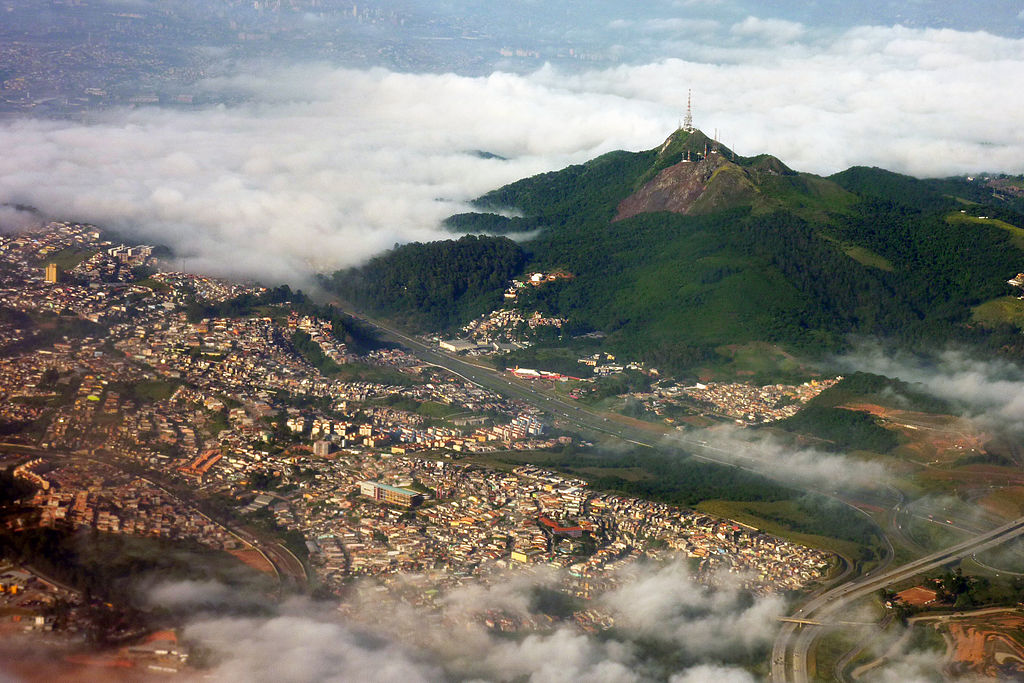
The eleven great world cities most likely to follow Cape Town are, in descending order São Paulo, Bangalore, Beijing, Cairo, Jakarta, Moscow, Istanbul, Mexico City, London, Tokyo, and Miami. How did four greatest bastions of power manage to find themselves in water difficulties?
The Great World Cities of Beijing, Moscow, London, and Miami
The World Bank defines water scarcity as when residents receive less than 1,000 cubic meters of water individually, annually. In 2014, Beijing residents received just 145 cubic meters that year. Causes include rapid urbanization, and 40% permanent pollution of surface water. The authorities are diverting water from elsewhere.
Russia has 25% of global fresh water reserves, yet as much as 60% of Moscow’s surface water is hopelessly polluted. The aquifer supplies 30% of Moscow’s drinking water. The long-term solution is piping water in from distant mountain regions and lakes.
London has less rainfall than the Paris average, and just half of New York’s. It receives 80% of its water from the rivers Thames and Lea. A quarter of this is lost, owing to leaking Victorian cast iron pipes. London will have supply problems by 2025, and face severe shortages by 2040.
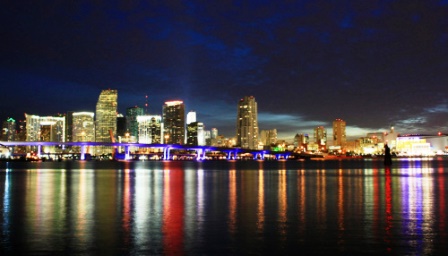
Miami receives copious rain every year. However, an early 20th Century project to drain nearby swamps caused ocean water to contaminate the Biscayne Aquifer. Miami is now facing storm incursions owing to rising ocean levels. It has abundant seawater nearby, but it may someday have not a drop to drink, unless it does something soon.
The other great world cities facing dry pipes have similar challenges owing to climate change and overpopulation. We cannot keep relying on reserves that took millions of years to accumulate. The water we consume must be sustainable too.
Related
Effects of Climate Change: Fast Evaporation
Effects of Climate Change: Severe Drought
Preview Image: Miami Twilight