Utqiagvik, on the northwest coast of Alaska, is one of the northernmost public communities in the world. The isolated settlement has experienced a 7º F (3.8 º C) temperature increase over the past 50 years. It is therefore acutely aware of the need to use alternative electricity supplies. Unfortunately, green energy availability is low for a variety of reasons.
How Green Energy Availability is Poor in the Arctic Cycle
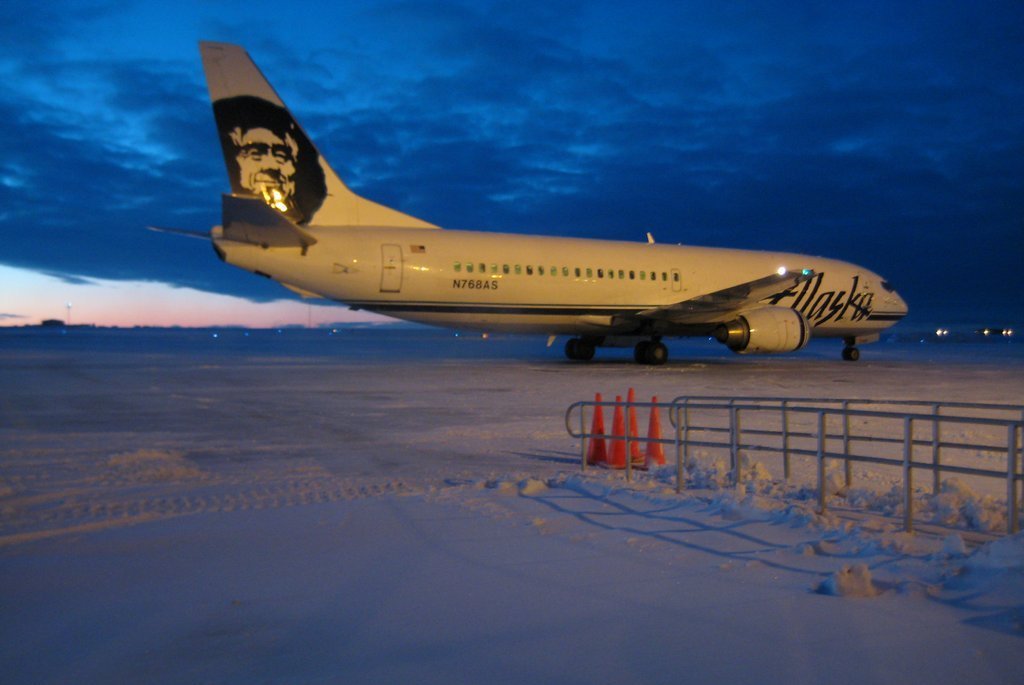
Utqiagvik is a long way from anywhere. No roads or railways connect it to the rest of the world. It must subsist on local resources, and what airplanes deliver to a single airfield. Moreover, the sun does not shine for 65 solid days a year.
Solar green energy availability is zero for two months a year in Utqiagvik, previously called Barrow. The folk see their last sunrise and sunset around 20 November as they enter the long polar night. “This happens every year,” says CNN meteorologist Judson Jones. “If you live above the Arctic Circle, there will be a day when the sun sets for the rest of winter. The good news is it will return and then during the summer it won’t set for days.”
Wind and Battery Storage
Utqiagvik has the lowest average temperature of all cities in Alaska. Extremely low wind chill and “white out” conditions from blowing snow are very common during cold waves. As a result, there are 160 days below 0 °F (- 18 °C) annually. Moreover, the high temperature is only above freezing an average 120 days per year.
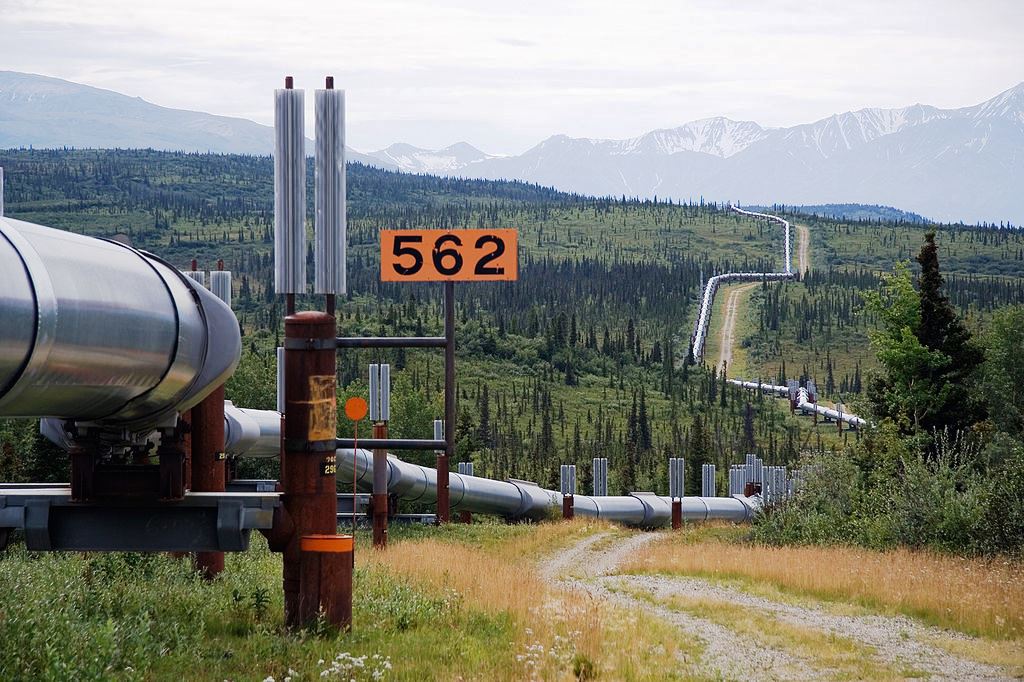
These conditions caused the creation of wind power and storage battery technologies as we know them now. The performance of tidal generators is uncertain due to the risk posed by ice packs. Hence, Utqiagvik relies on a feed from the nearby Trans-Alaska Pipeline System for its energy. The only practical alternative would be diesel-power generation. How ironical this is for a community facing rapid warming caused by fossil fuel consumption.
Related
Build Strong Children to Fight Climate Change
Rapid Climate Shift Event in Arctic Barents Sea
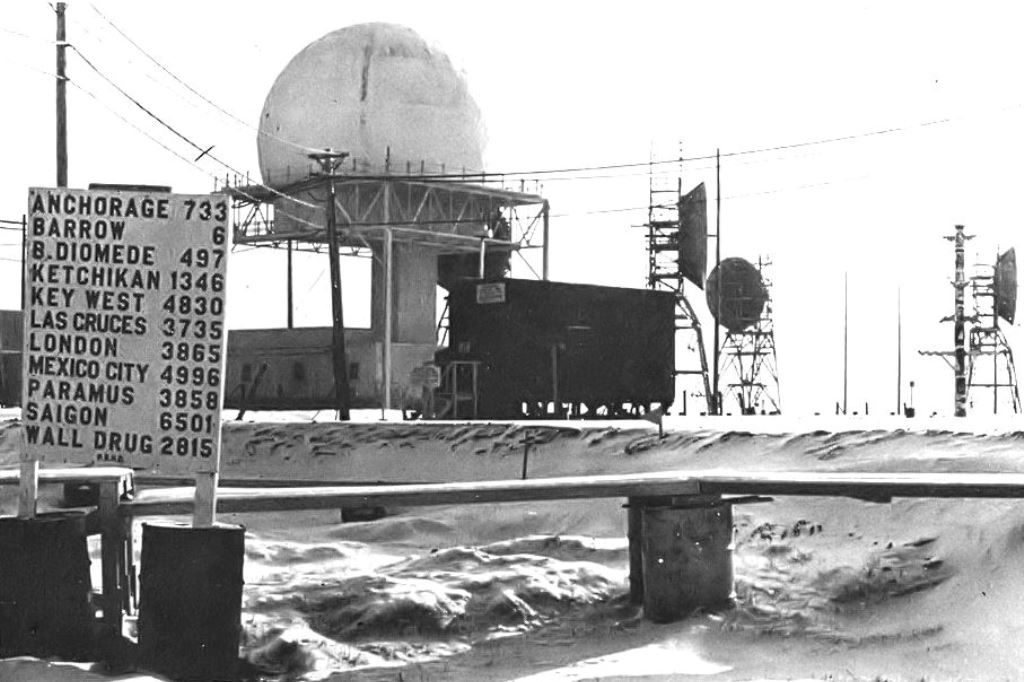
Preview Image: USAF Long Range Listening Site at Utqiagvik