

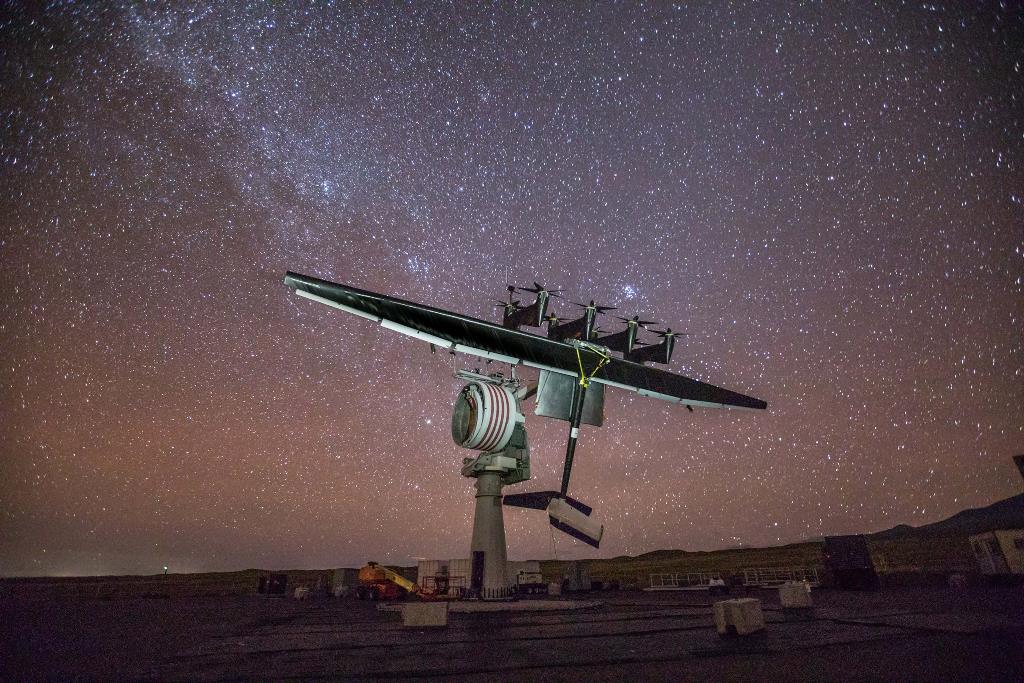
It all seems so simple when we put our preconceptions aside and think laterally. Why position wind generators on the surface of the earth where land is becoming scarcer and the wind is intermittent? Besides, the turbine towers don’t add value to the landscape if we are honest. Why not use high-flying drones instead? We could position them in the sky where winds are stronger and more consistent.
Growing Potential for High-Flying Drones in US
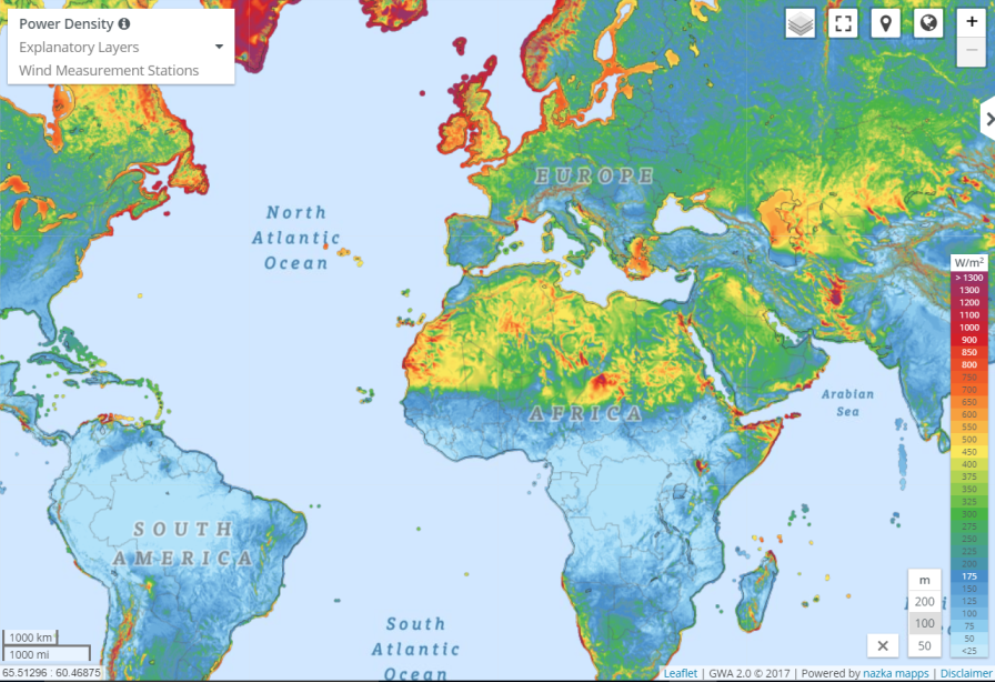
The US Energy Info Administration says wind power electricity increased five times over the past ten years. Compare that to shrinking coal and stagnating nuclear and it’s clear where the big money is heading. Despite that, wind only provides 4% of global electricity at present.
Technology and business reporter Jessica Brown puts this down to the irregularity of wind. This necessitates large battery storage farms that are eating up the economic advantages. However winds above 1,500 feet are steadier and stronger. Back in 2012 California’s Lawrence Livermore National Laboratory already knew the answer. That’s because it calculated high-flying drones could provide a hundred times more energy than we need.
High-Flying Drone Technology is Catching Up
Airborne wind technology does away with expensive, ground-based structures. Instead, it is a “minimalistic version of a turbine, incorporating only the necessary elements. These are a blade and a tether measuring a few centimeters in diameter,” Udo Zillmann of Airborne Wind Europe explains.
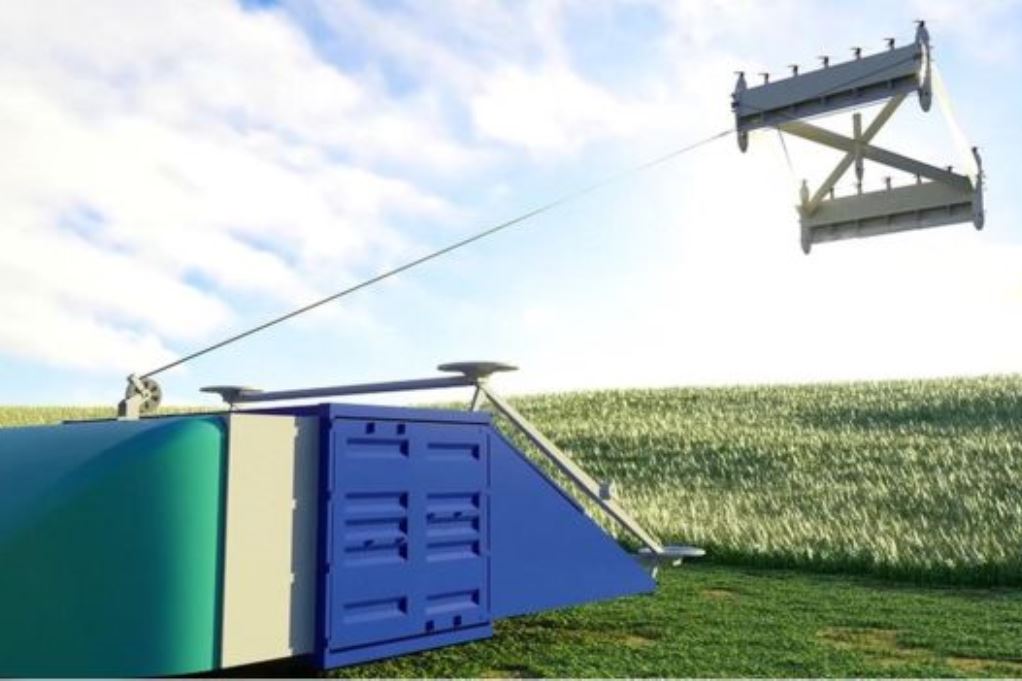
“These systems require between 1% and 10% of the materials used to construct a turbine,” he adds. Moreover we can lower them to the ground, for example for maintenance or to ease the passage of migrating birds. However, much work is necessary before high-flying drones could compete with the capacity of large-off shore turbines.
A variety of disruptive energy companies are exploring this potential currently. We illustrate a few examples here, although we do not necessarily endorse these particular products.
Related
Winds Mysteriously Getting Stronger (Nat Geo)
Planting Wind Turbines On the Ocean Floor
Preview Image: Ready for the Clouds


