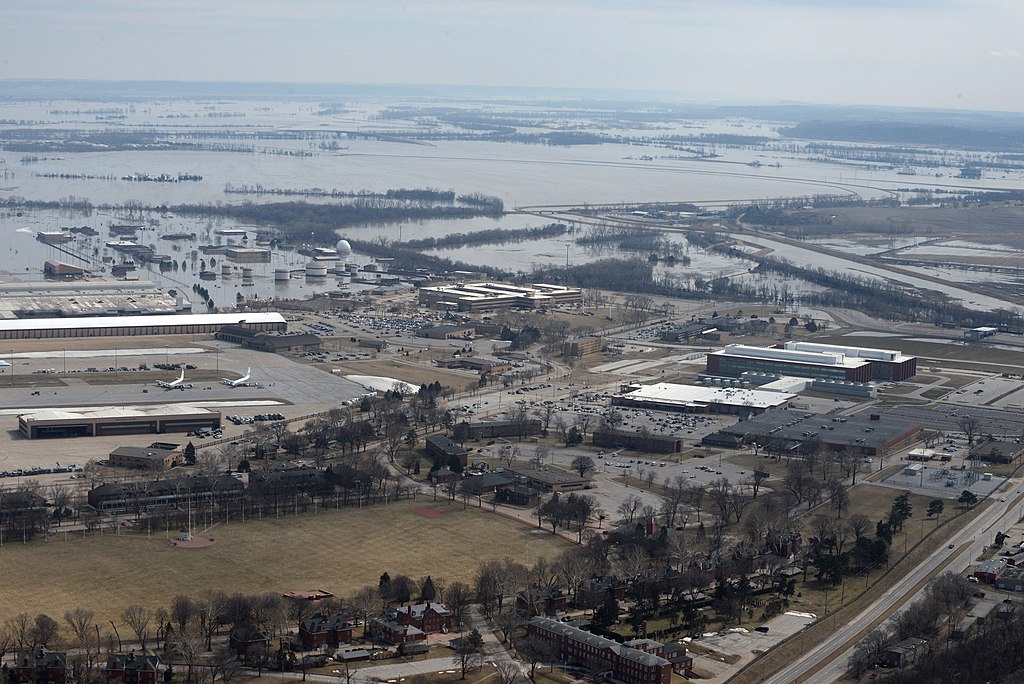
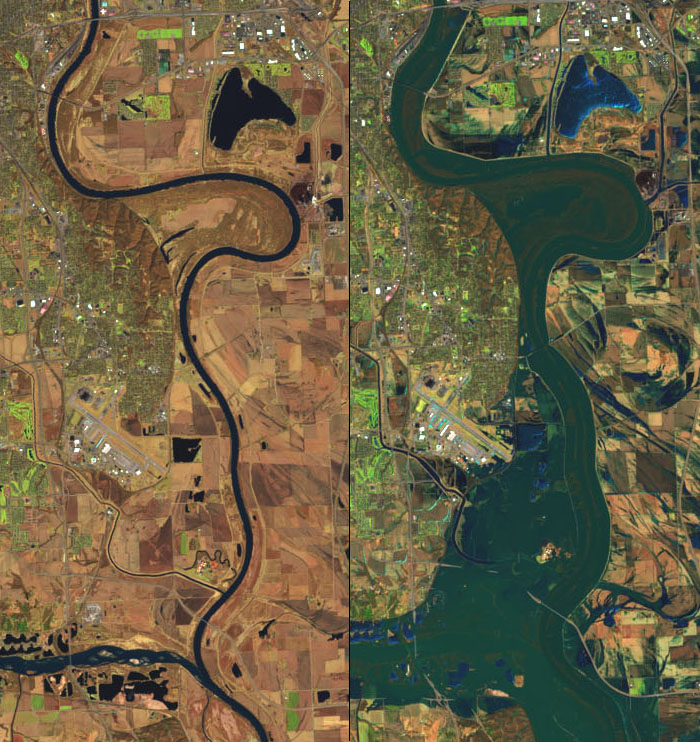
It’s not unusual to see the U.S. split in two battle lines when prickly climate change hits the news stands. However, seeing the country divide in two parts from north Omaha, Nebraska, down past St Louis, Missouri is another matter. The U.S. is split in two for hundreds of miles, says Blake Hurst, president of the Missouri Farm Bureau. Could this historic flooding relate to climate change, we wonder?
The First Round of Historic Flooding was in March 2019
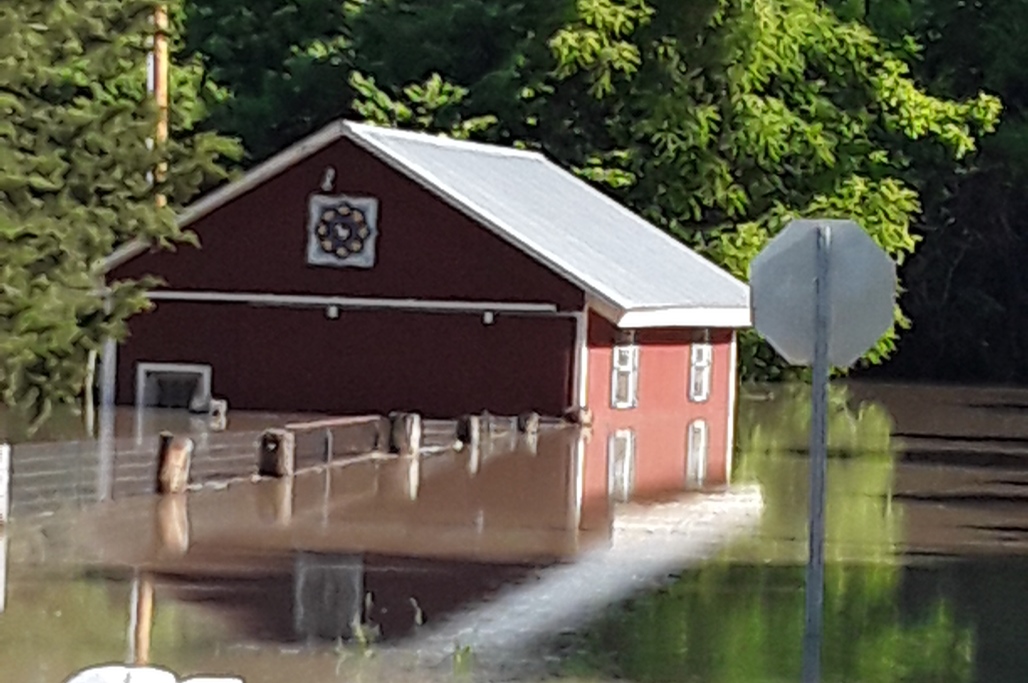
The first round of flooding put 150 acres of Blake Hurst’s crops under water. The Midwest’s first heavy 2019 rainstorms combined with melting snow to inundate villages. “It’s been one damn thing after another,” Blake told news reporter Ritu Prasad. But the water kept coming relentlessly.
May 2019 was the second-wettest in U.S. rainfall records. Moreover, the National Weather Service expects the tornado count to top 500 that month when its analysis is complete. The rivers and lakes are still flowing over levees, highways, bridges and flooding entire towns. Thirty five people have died. “We’ve seen more flooding in the past decade than we’ve seen in the decades before. This has gone past that into something historic,” the president of the Missouri Farm Bureau adds.
Some Believe the Flood Will Make the History Books
Northeastern University’s environmental scientist Prof Samuel Munoz agrees we are seeing a historic flooding event. He says the repeated strong storms and severe weather are “unusual for the Midwest and Great Plains regions”.
This could be partly due to El Niño conditions warming the sea water in the Pacific. That’s because this tends to “enhance precipitation and severe weather over the areas that are flooding”.
However, he adds “man-made climate change intensifies these natural variations. This causes more rain to fall in what would already have been a wet year.”
Farmer Blake Hurst has a more down to earth approach because he has wet feet on the ground.
“It doesn’t matter whether our problem is caused by poor management or climate change. We need to figure out how to do better,” he told reporter Ritu Prasad.
Related
Climate Change Evidence: Warming Oceans
How Global Warming Varies and Why it Does
Preview Image: Offutt Air Force Base in Nebraska, 2019