

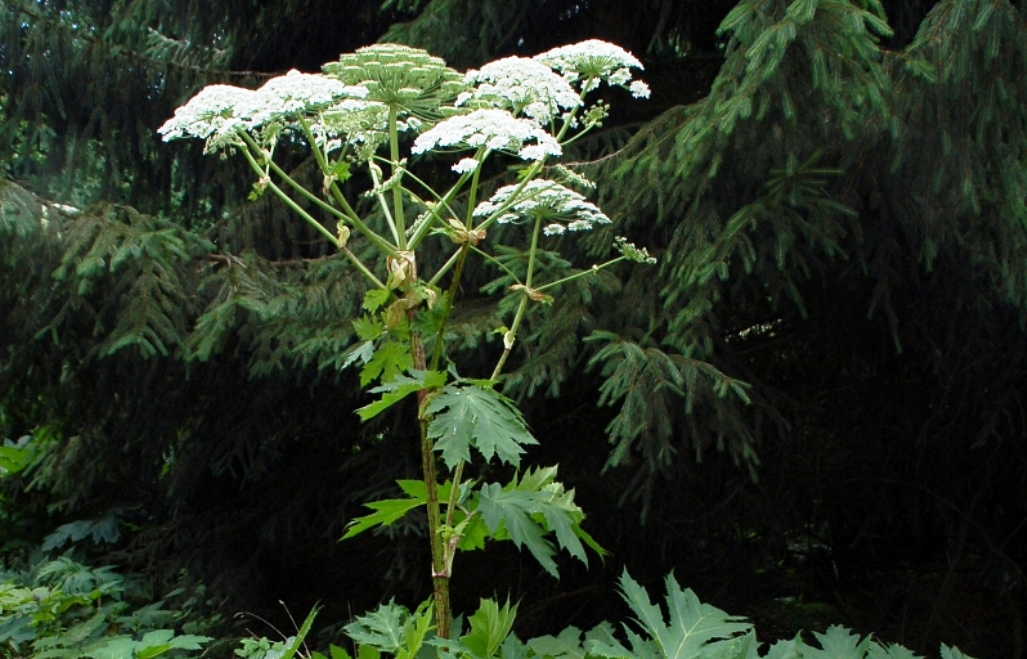
Giant hogweed is native to the western Caucasus region of Eurasia. Explorers brought plants back to Britain as ornamental curiosities. From there, it spread throughout Europe, and to the colonies including North America. It is now a rampant invader growing up to 15 foot tall. However, back home in Russia scientists are hoping to use it to make hogweed batteries.
Making Electrodes for Hogweed Batteries
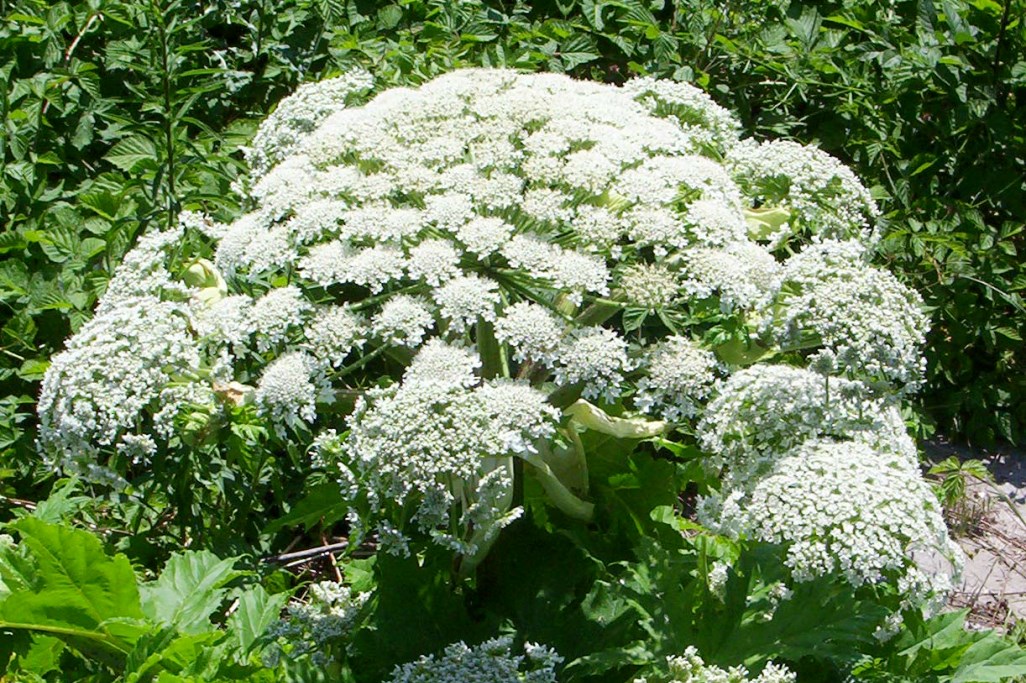
Researchers at the National University of Science and Technology are trialing the fibrous plant stems as electrodes. Moreover, early findings suggest these could replace traditional energy sources without compromising battery quality.
They are also experimenting with super capacitors as these have high power, long shelf life, and longer service life. Nature World explains this is partly due to their activated carbons having a large number of different size pores. These pores effectively increase the surface of the electrode. This in turn increases the maximum volume of accumulated charge.
The Hunt Is On for Suitable Carbon Materials
The National University of Science and Technology team has turned their attention to plants as carbon sources. They have examined the possibilities available from agricultural waste. Their targets include coconut, almond, and walnut shells, and husk remaining after cereal processing.
However, the optimal solution could be making electrodes from giant hogweed plant stalks. They believe their stems could help form working hogweed batteries.
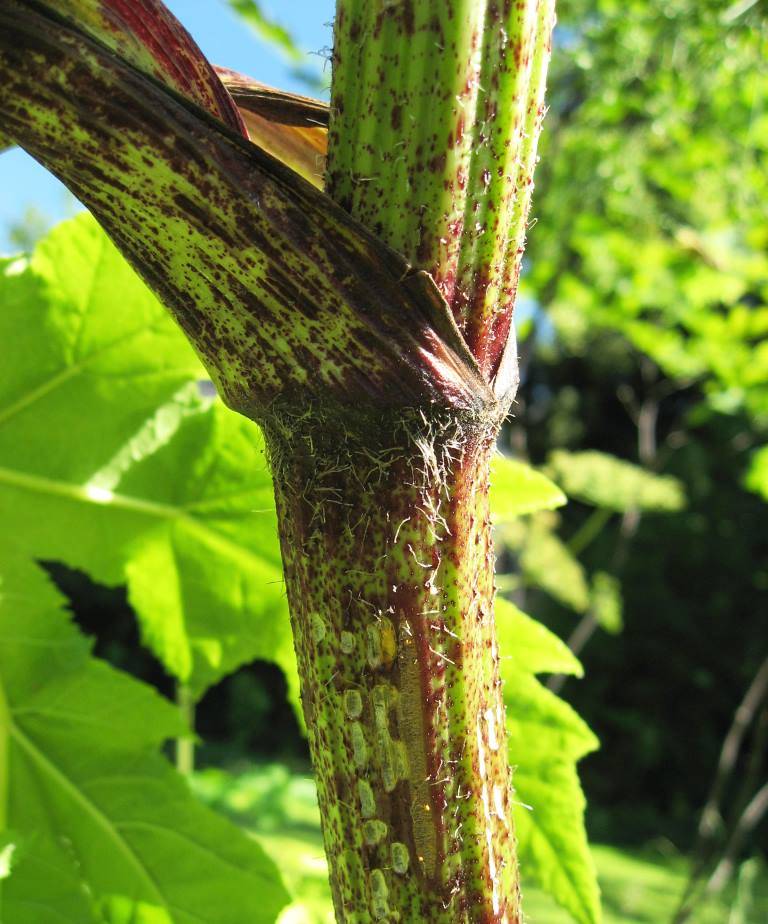
The stalks comprise a firm bark surrounding a soft, sponge-like inner core providing the different size pores they require. However their outstanding problem, unbelievably, is to source enough stalks. That’s because contact with hogweed sap can damage children’s eyes.
Cultivation of giant hogweed is therefore illegal in Russia and so they can’t raise crops. Therefore, they have to search the highways and byways of Russia to find materiel. Some locals say if this obliterates the harmful weed the batteries will have done a great job. However, it seems hogweed batteries could still achieve a whole lot more.
Related
Protein Batteries from Building Blocks of Life
Lithium Metal Battery Failure at Nano Level
Preview Image: Giant Hogweed Heracleum Mantegazzianum


