The newsrooms are alive with stories of Honda Accord battery fires this morning, and 1.2 million cars consequently on recall. We have a vested interest in this, as Honda uses sealed lead-acid starter batteries similar to our deep cycle ones. The ‘fires’ are actually related to battery sensors near the negative battery terminals. Because these sensors have fuse protection they should be fail-safe, but evidently, they are not.
What the Honda Battery Sensor Should Do
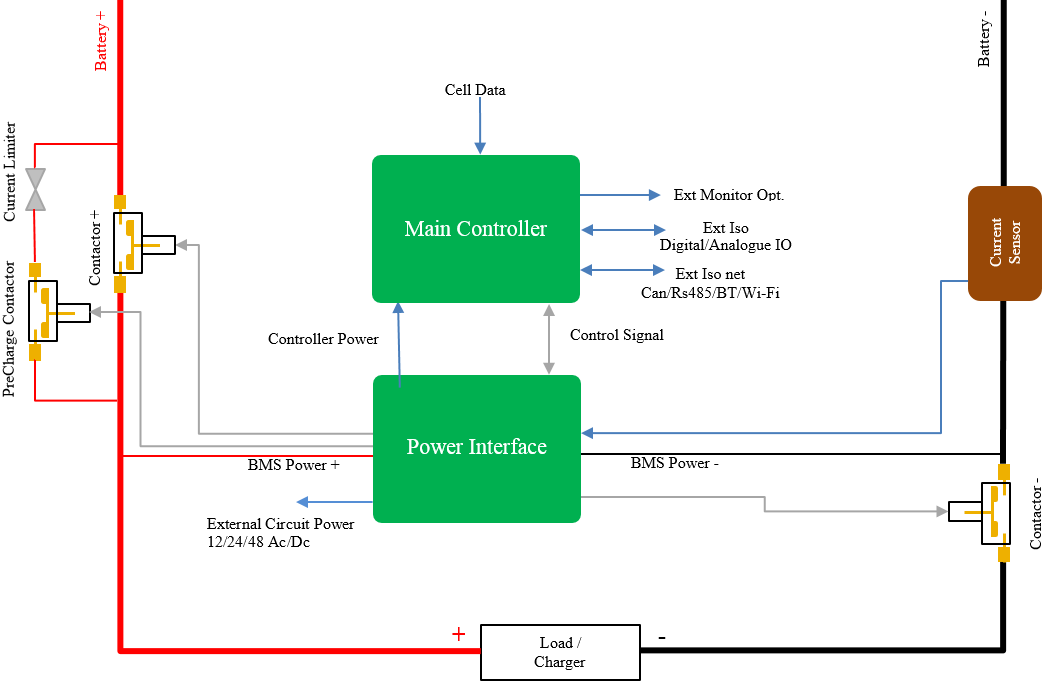
Lead-acid battery design has largely remained stable since the 1950’s, while the devices starter batteries power have become more sensitive. Auto engineers incorporate intelligent battery sensors to monitor temperature, voltage, and on-demand current.
These devices should be able to handle the full range of driving conditions. But the so-called Honda Accord battery fires suggest the Japanese car maker’s component supplier got something wrong with their design.
Press Release Re Honda Accord Battery Fires

Honda announced it is recalling 1.15 million 2013 – 2016 Accords owing to 12-volt battery sensors proving potentially faulty. This follows four engine compartment fires in the U.S., but with ‘no reports of injuries’. It says these relate to battery sensors monitoring the state of the battery’s charge. We gather these devices alert the driver where these conditions are outside limits.
The car maker is concerned the battery sensors in affected vehicles ‘may not be sufficiently sealed against moisture’. Consequently this could allow road-salt-laden moisture to enter the devices, leading to corrosion and eventual shorting. Apparently increased electrical resistance could overheat the sensors causing smoke, and in a worst case, fire. These are the Honda Accord battery fires to which the media refer.
More About the 2013 – 2016 Honda Accord Recall
Honda will write to all affected auto owners in late July 2017, asking them to take their vehicles to a local dealer. Technicians will first replace faulty battery sensors after doing diagnostic tests. Secondly, they will apply extra waterproofing to non-defective ones as a stopgap to ease the supply chain. They will finally replace these later too, as more spares become available.
Related
Preview Image: Battery Management System