We had to add the ‘almost’, since they say the only definite things in life are death and taxes. In the 1930’s, a third thing was almost inevitable; Batteries in portable radios and flashlights leaking as they discharged. Moreover, that meant sticky stuff that completely ruined the device after the batteries cemented onto it. We suppose the market assumed that leak-proof batteries were impossible.
The Situation Pre Leak-Proof Batteries
Consumers largely relied on non-rechargeable, zinc-carbon batteries to power portable devices in those days. These used zinc-metal cases and central carbon rods as electrodes, with an ammonium chloride electrolyte managing the electrochemical reaction. They were the first commercial dry batteries available, and hailed as a great success.
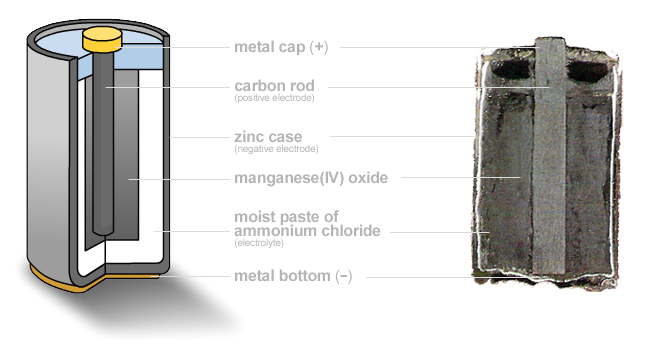
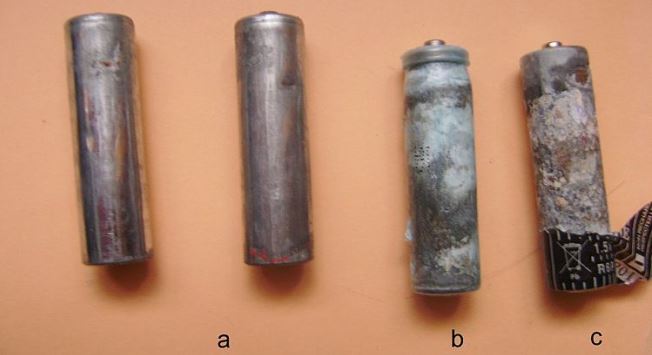
But, there was a problem. They were not leak-proof batteries. The ammonium chloride oxidized the zinc-metal cases as the battery turned its energy into electricity.
This ‘attack’ continued even when the device was off or the battery was flat. Finally, the electrolyte breached the battery’s defenses and harmful, sticky stuff leaked out. Early attempts to solve this included a polythene film over the zinc-metal case.
The Big Break Through: Ray-O-Vac Leak-Proof Batteries
In 1939, Ray-O-Vac engineer Herman Anthony hit on the idea of using manganese instead of zinc. He also decided to wrap the entire battery in a steel jacket to finally leak proof it. The product went viral after Ray-O-Vac patented it in 1940.
Demand for radio, flashlight, and walkie-talkie leak-proof batteries was insatiable after Pearl Harbor. In 1946, the company produced one million. Four years later, it produced the billionth one.
We find it amazing how simple solutions can change things for the better. Using a steel case to make leak-proof batteries seems obvious in hindsight. Zinc-carbon batteries descended from the 1866 Leclanché cell that used a wet electrolyte. This was the forerunner of the modern dry-cell batteries in use today.
Related
Preview Image: Early Ray-O-Vac Battery