A warranty is a conservative prediction by a manufacturer concerning how long a solar battery should last. This assumes responsible use and maintenance. Of course, a solar battery could keep going considerably longer and many do. However, they eventually get tired out and stop doing their job properly.
Factors Affecting How Long a Solar Battery Should Last

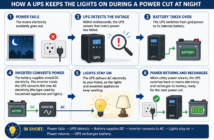
Under normal use, a solar battery accumulates electricity while the sun is shining. This is also the period when our electricity demand is lower, allowing us to ‘bank’ the surplus.
After the sun sets in the evening, our aim is to limit our consumption to what the battery has stored. If we get it right, our solar battery should last all night long. If we need more, we can purchase electricity from the utility.
We call this process of charging and discharging, recycling. It is a little like the ocean ebbing and flowing as the tides come and go. However, whereas the ocean can do it endlessly, solar batteries degrade as the years pass. The rate of degradation correlates directly to the frequency of recycling.
Buying Solar Batteries with the Right Capacity

Some manufacturers have a recycling cap. In our case, we like to keep things simple. The batteries we sell all have a one-year standard warranty.
Our solar booster batteries use proven lead-acid technology, and may last many years. But, you may also purchase an extended warranty, up to three years if you choose.
The average solar battery should last longer if it has reserve capacity of at least 25%. Draining it completely causes progressive damage until it could fail unexpectedly. Therefore, we recommend purchasing slightly oversized solar batteries. You can compare this, if you like, to not running out of gasoline and needing a tow. This logic applied to all lead-acid batteries.
Related
The Right Battery Type for Solar Power
How to Nurture a Lead-Acid Battery
Preview Image: Office at Sunset