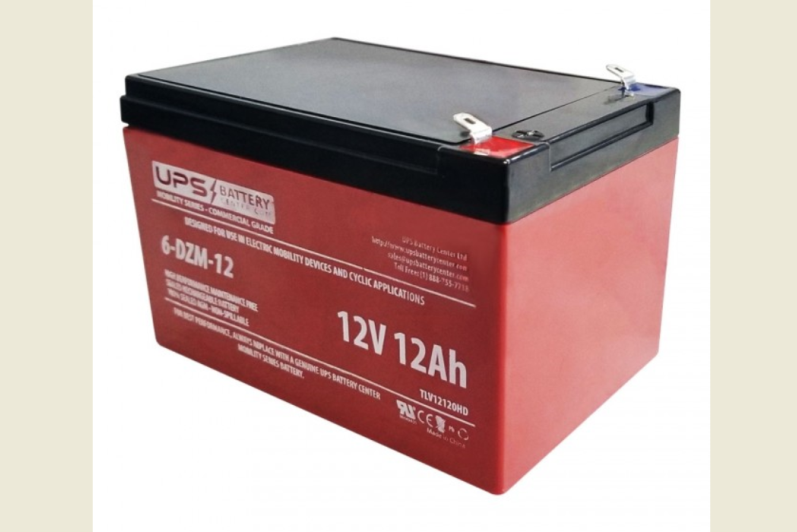
There are two types of low-maintenance, valve-regulated lead-acid (VRLA) batteries on the commercial market. Unlike the old-style ones we had to top up with purified water, VRLA batteries have a limited amount of electrolyte. This ‘starved electrolyte’ should last the lifetime of the battery. But today we share how VRLA batteries dry out and fail, when we treat them badly.
Both Types of VRLA Batteries May Dry Out and Fail
There are two main types of valve regulated batteries as follows:
- The AGM absorbent glass mat type, with the electrolyte in a fiberglass mesh that serves as the separator.
- The GEL cell battery that adds silica dust to the electrolyte, forming a thick putty-like gel that serves as separator.
Both types of VRLA batteries are designed to never dry out during their operational life, according to Megger. However, this assumes consumers use them as the designers intended. We may well understand how VRLA batteries dry out and fail. But there is no way to top one up again, because the batteries are in sealed cases.
How the Electrolyte Dries Out in Sealed VRLA Batteries
Valve regulated lead-acid batteries can lose their electrolyte for several reasons. These causes include excessive heat, overcharging, poor ventilation, and improper charging voltage. Megger includes the following consequences of this happening:
- Accelerated ageing, decreased efficiency, higher operating temperature.
- Increased internal impedance and operating costs, premature failure.
- Loss of plate-to-electrolyte contact, potential thermal runaway.
- Reduced capacity, shortened backup time, unreliable performance.
Thermal Runaway When VRLA Batteries Dry Out and Fail
An uncontrollable spread of heat may occasionally occur in any battery after it enters catastrophic failure. We strongly recommend consumers monitor all their batteries in use, and consult suppliers if their performance levels suddenly drop, or if they become unusually hot.
More Information