UK consumer group Which? has been ruffling feathers since 1957, when Britain was experiencing trading practices we now frown on. Remember, in those days autos did not even have seat belts. We have heard it tested birdseed for pet budgies before it fretted over sugar in sodas. Which? turned its attention to laptop battery life this week. Rather unsurprisingly, this depends on how you use your laptop.
The Implications of How You Use Your Laptop
We chose not to go into the actual differences between what laptop manufacturers claim. And the surprisingly lower results of some Which? consumer tests. During these experiments, testers browsed the internet actively over wi-fi. We hope they worked in shifts. We would find doing this for several hours quite exhausting.
The laptop suppliers provided a few interesting clues. HP said its battery test “uses real life scripts and runs on real applications like microsoft office.” Dell told Which? “every individual uses their PC differently. It’s similar to how different people driving the same car will get different gas mileage depending on how they drive.” We agree their point entirely. How you use your laptop affects the rate the battery discharges.
Using the Water Flow Analogy to Explain Things
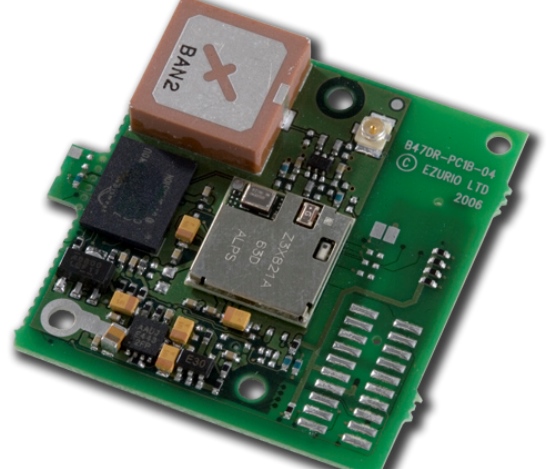
A laptop battery – any battery – contains a stated amount of electricity ‘on tap’ when fully charged. How long this lasts depends on the amount of electricity we demand, over time. Every app running is consuming battery power. Screen resolution makes a difference too. Wi-fi also claims its share with some networks being more resource heavy.
These things all contribute to shorter battery life. The moral of the story is you get what you buy. A certain laptop outperformed its manufacturer’s specifications and all others. The right purchasing decision is as important as how you use your laptop.
Related
Laptop Battery Life and Squeezing More Hours
Why Smart Battery Calibration is So Important
Preview Image: ‘Macbook Open Heart Surgery‘