South Australia is still reeling from being in the dark for several days in September 2016. Because that was when a storm toppled pylons resulting in a knock-on series of trips. The population of 1.6 million spreads out across a large area 1.4 times the size of Texas. Yet 77% of it lives in a single city, Adelaide. Scientists want to reduce reliance on grids with $800 million’s worth of batteries. But, even five years ago such huge battery numbers might have seemed absurd.
What These Huge Battery Numbers Could Buy
$800 million could buy 600 megawatts of fast-responding battery power lasting 2 hours. This could have been sufficient to prevent South Australia’s chain reaction trip. Of course, if they had sufficient solar and wind farms that would have helped too. This loops back to the indispensability of huge battery numbers in tech society.
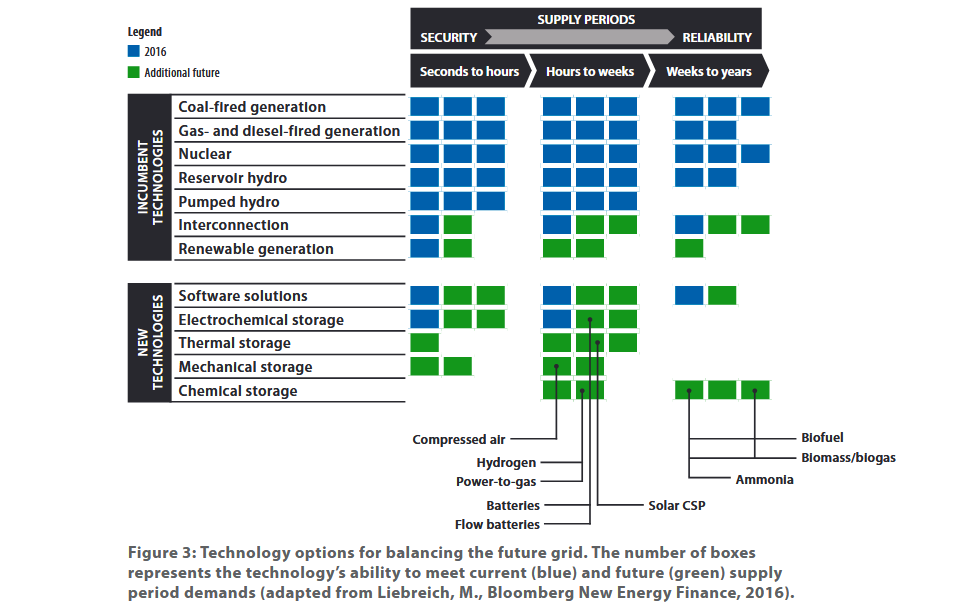
A government report confirms, “So it is likely that with sufficient fast responding batteries, the blackout would have been prevented. Or much less widespread … with the correct settings. Wind turbines could themselves have provided synthetic inertia with suitable adjustments.
The Alternative: Dispersed Batteries in Homes
On 19 November 2017, Australia’s Chief Scientist released a report titled ‘The Role of Energy Storage in Australia’s Future Energy Mix’. He wants to embolden Australia’s culture of innovation and abundant natural resources. Then it can lead the world in developing large and home scale energy storage systems,” he adds.
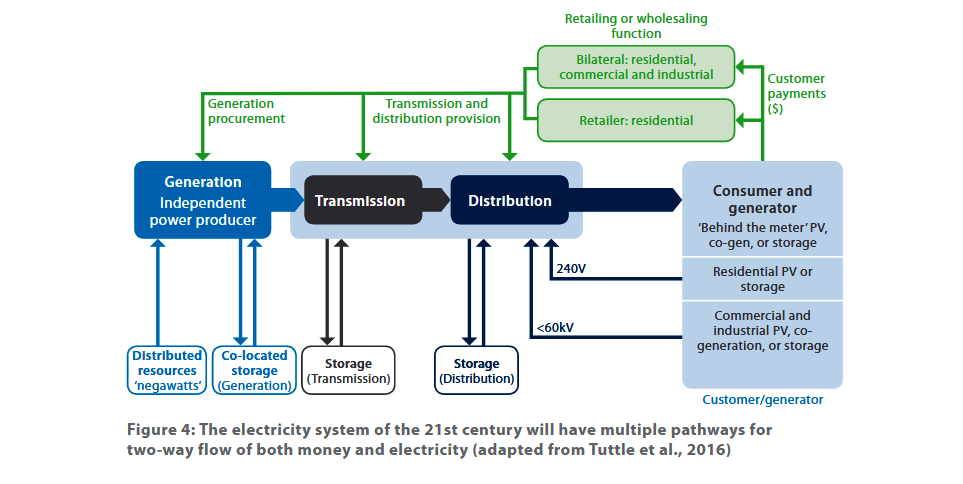
Dr. Alan Finkel’s vision adds battery packs to 1.8 million Australian homes. This will be relatively cheap because these already have solar power panels for water heating. Public energy awareness is strong too, but the people need the necessary incentives and knowledge. If Alan Finkel has his way, we could see huge battery numbers emerging from giant g1ga factories soon.
The Australian Council of Learned Academies believes, “Energy storage is both a technically feasible and an economically viable approach to responding to Australia’s energy security and reliability. This is valid under current circumstances, but also under a high renewables generation scenario,” he says.
Related
Batteries Challenge Gas in South Australia
Teslas Real Reason for the Giant Australian Battery
Preview Image: Dr. Alan Finkel