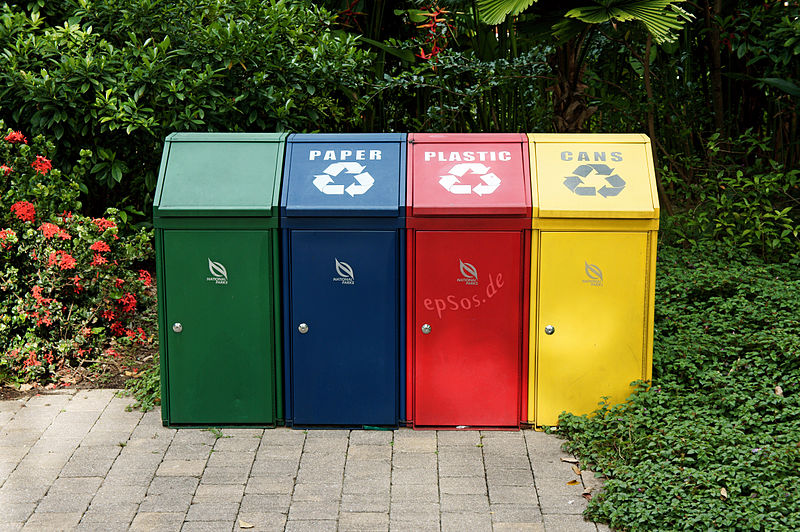
So…does it? We care about the environment so we’re going to say yes of course but only when done right. Otherwise, you might as well throw it all in the garbage bin. What we’re here to discuss is the kind of recycling that matters. So as mentioned, the kind that must be done in order for it to be done right.
Why Do it Right?
Let me give you some facts. This is more relative to Canada but can easily be applied to many other parts of the world who currently have some sort of recycling system going on:
- Recycling incorrectly is costing homeowners 600k-1million dollars PER YEAR.
- Roughly a quarter of what goes in the recycling bin is a contaminant.
- What companies advertise are recyclable is not always accepted by municipalities so it creates confusion for customers who think they are doing something right.
- Toronto, Edmonton and Halifax have the worst “dirty recycling” problems.
Check out this video where we got our inspiration for this topic:
The Recycling Enemy: The Contaminant
When you throw away that coffee cup with coffee still inside in the recycling bin, you do it with good intentions. However, what you don’t realize is that that coffee cup is going to contaminate tons of other perfectly recyclable products therefore becoming a contaminant and causing more things to go into the garbage.
In addition to contaminating valuable material, contaminants can also damage equipment and cause safety problems for workers. You don’t want to be that person who throws away the half-filled coffee cup in the recycling, do you?
So, HOW Does One Recycle Right?
Are you feeling a little distressed now that you know how much of a problem this is? Whether you are or not, we understand that presenting people with problems withouts solutions usually isn’t that effective. So here we are giving you some general tips on how to better recycle:
- Do not put black plastic containers, unwashed peanut butter jars, toothbrushes, and paper towels in recycling
- Have a picture guide of your municipality’s recycling requirements in your kitchen or somewhere visible in your house
- When in doubt, look it up online! Ask someone! Don’t just assume it goes in recycling
- Essentially, don’t play recycling roulette.
Follow this link to get the recycling programs specific to your province: https://www.canada.ca/en/environment
Also check out this article by SurLaTable for more information on recycling: http://blog.surlatable.com/recycling-composting-are-you-doing-it-right/
Thanks for reading! Do YOU recycle properly? What steps do you take to make sure your recycling is not contaminated? Share it with us in the comments below!
Related:
Three Ways of Avoiding Plastic