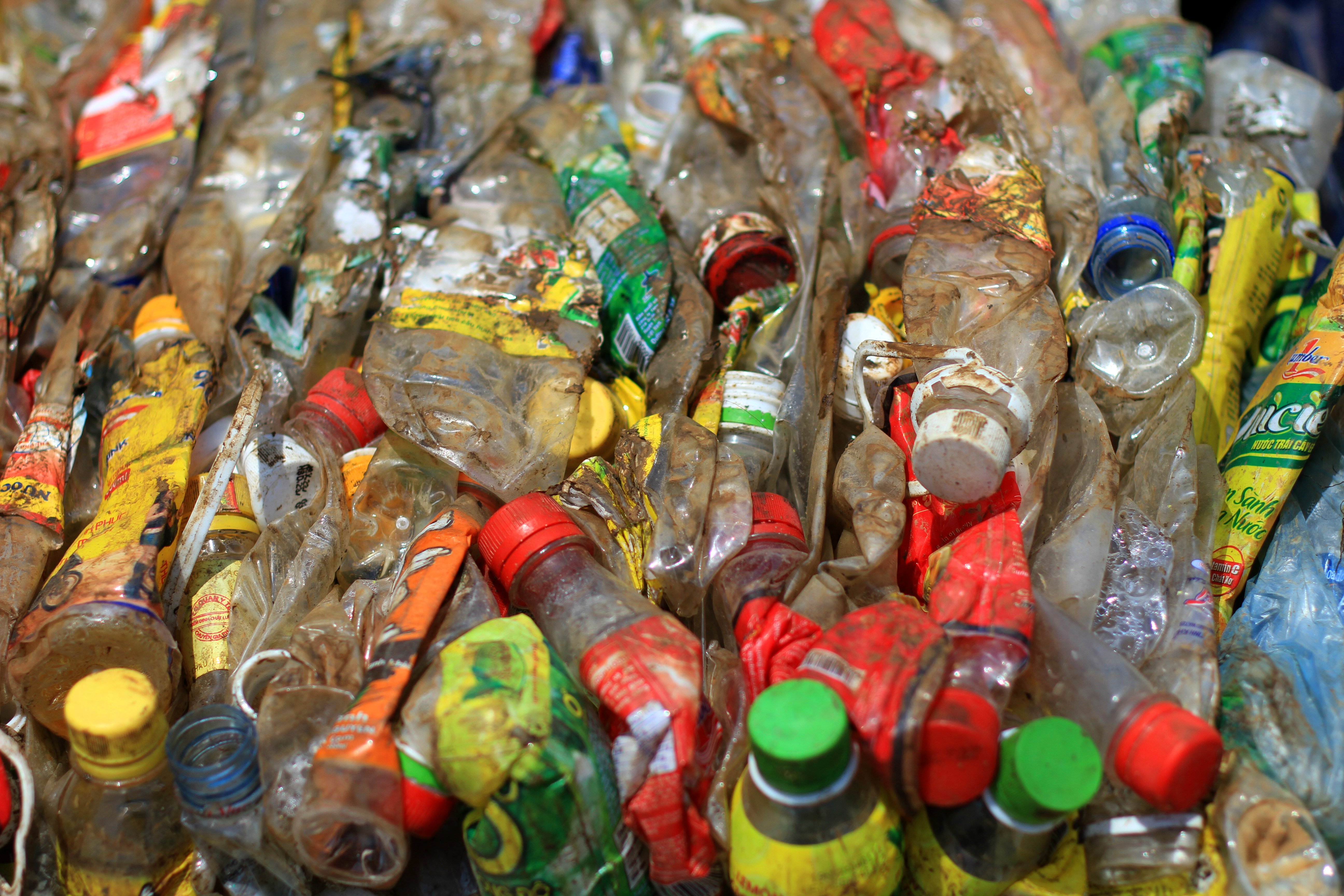
Plastic; our favorite product to make, use, and throw out. We are living in the age of plastic. So it’s not a surprise that the majority of our everyday products are made of it; our toothbrushes, coffee cups, water bottles…etc. Archaeologists make jokes that in the future when they are doing their diggings, they will know our era when they reach plastic in the earth. It’s a sad truth that we need to change and most people understand that. However, not all are willing to do something about it.
In this post I have decided to break down a video by Ted-ED called “What really happens to the plastic you throw away” by Emma Bryce. The purpose of this is to try and educate the public about the effects of their choices.
Summary
In the video, the speaker describes the lives of 3 plastic bottles after they are done being used.
- The first plastic bottle moves to an exposed landfill filled with other plastic bottles. When it rains on the landfill, the water mixes with the water particles in the plastic to produce the liquid “Leachate”. This liquid is highly poisonous and can seep into streams/oceans and contaminate them!
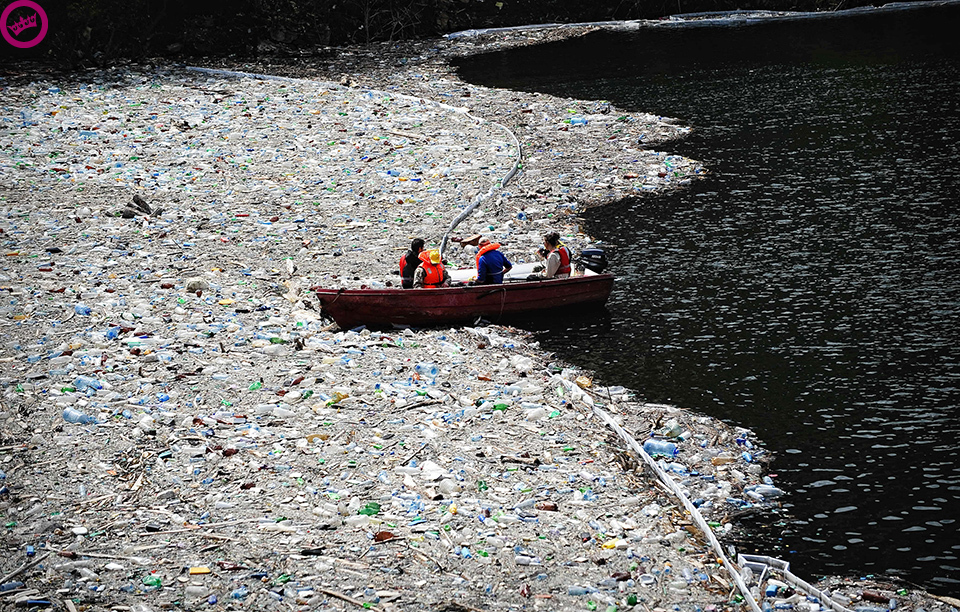
- The second plastic bottle ends up traveling in streams reaching the ocean where fish and other sea life organisms mistake it for food thereby consuming it. A few results occur here such as the fish get full as they think it’s food and then end up starving to death. Another result is the plastic moves up the food chain; the small fish who consumed the plastic get consumed by bigger fish, those get consumed by bigger fish and then some of those reach our plate. We love plastic, but is it to the point where we want to eat it? Do we want to see oceans filled with plastic? Is that the legacy we want to leave for future generations?
- In the third scenario, there is a little more “hope” and I put that quotations because seemingly the plastic bottle gets recycled to produce something new. That entails the “repetition” of the plastic in the cycle. However, as seen in the video, plastic bottles don’t only get remade into other plastic bottles to repeat the cycle. They get remade into new plastic products which won’t necessarily get recycled back so that ends the cycle.
Conclusion
Even when plastic bottles are “recycled” they are useful for a second life and while that is better than a single-use plastic, it is still not sustainable. We’re not asking that everyone give up plastic all at once, however a good place to start is by removing plastic bottles from our daily lives. They are completely useless, easily and absolutely replaceable! Especially in North America, where plastic water bottles are more useless since tap water is generally safe to drink. So, why not take that first step and give up the plastic?
What do you think of the plastic-free movement? Will you take the pledge and start using reusable bottles instead?
Related: