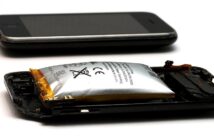
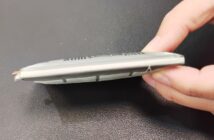
Researchers at SLAC-Stanford Battery Center in Menlo Park, California found a way of increasing lithium battery lifespan. However, before we sort the meat from the vegetables, this is NOT something to trial in the kitchen. The scientists used a lithium-ion battery for their experiment, and this is not something you want to play with. With that behind us, what happened at the SLAC-Stanford Battery Center?
The First Charge Grew Lithium-Ion Battery Lifespan 50%
The Menlo Park report suggests that the nature of the first charge determines a lithium-ion battery’s performance and lifespan. And that this in turn decides how many times it can charge and discharge before it dies on us.
Peta Pixel explains the researchers used an ‘unusually high current’ to increase a lithium-ion battery’s lifespan by 50%’. We don’t suggest you try this on your phone or laptop, because you could end up with a melted pile of plastic.
Numerous scientific reports are at pains to explain that using a high current to charge a lithium-ion battery causes the chemicals to overheat, and this can lead to fire and even explosion. So this is definitely not an option for increasing lithium battery lifespan at home on the sitting room table!
This Novel Step Also Reduced Charging Time Radically
The team at SLAC-Stanford Battery Center in Menlo Park, California would have been delighted with the results they achieved. That’s because they not only increased the lithium-ion battery lifespan by 50%. They also ‘reduced the initial charging time from 10 hours to just 20 minutes.’
After studying their research report overview we can reveal the following:
- The first, ‘formation charge’ as they call it is a critical step in lithium-ion battery life.
- This charge consumes some of the original lithium to form the solid electrolyte interphase.
- However, the ‘unusually high current’ they used consumed less lithium at a higher temperature.
We find this scientific report fascinating. Although it could probably be safer to complete formation charges at battery factories, to avoid potentially endangering consumers.
More Information
Electrically Conducting Polymers Shuttle Fast
Restoring E-Bike Battery Confidence in UK