

Ask most any phone user, and they’ll likely tell you “it’s a great device, but why can’t you pack in more charge?” The straight answer to that is the makers are already using the densest lithium-ion technology, and squeezing it the most. The battery industry fixation for the past two decades has been ‘smaller is greater’. And then along came the iron-air battery that upended the paradigm.
A Bigger Iron-Air Battery Where Size Matters Less
This debate has been a long time in the making. Utilities are using lithium-ion technology in their backup energy-storage farms. They do this on the basis that this is the best available. Their customers pay for the benefits of using a very expensive metal. This material is suddenly in very high demand, and the supply chain has several weak links.
The iron-air battery industry would like us to think again about our fixation with dense lithium metal, and smallest-possible size. “Take a look at those rusty garden tools oxidizing in your shed,” they say. “Did you know we could reverse the process, and use it to store and deliver energy?”
Is This a Better Way for Bulk Energy Storage?
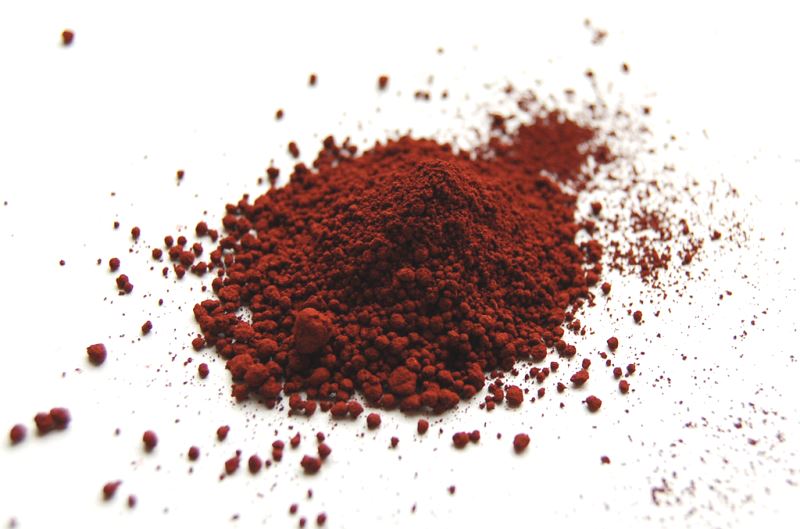
All iron oxidizes in the presence of air, and this process can eventually destroy the material. This is why the shipping industry expends huge amounts of money, and effort into coating their vessels with paint.
But iron-air battery technology says why not control the process instead, by this incredibly simple way, and under controlled circumstances of course:
- Use an electric charge to reverse iron-oxide (rust) back into its original, metallic state.
- This process releases the oxygen in the compound, while storing energy potential.
- Withdraw the stored energy potential on demand as electricity. This reinstates the rust.
Sounds crazy, but it is far from that. Intelligent Living says a new prototype battery has a run time of four days. Just perfect they say for smart utilities with tight budgets, but sufficient space to spare in their distribution yards.
More Information
Storing and Harvesting Electricity in the Air


