A metal-air electrochemical battery, or single cell has a pure metal anode, but uses outside air as its cathode. The companion electrolyte may be aqueous, or a particular type of solvent. Iron-air electro-chemical cells are one example of this technology, which could have higher specific capacity and energy density than lithium-ion.
Electro-Chemical Storage Using Iron-Air Batteries
Progress has been slow with metal-air batteries generally, although there have been exceptions like zinc-air which has proven a success. Wikipedia mentions ongoing complications associated with metal anodes, catalysts, and electrolytes that have hindered development and implementation.
However, despite these challenges, iron-air electro-chemical cells remain an attractive option for grid-scale energy storage. The main active component is iron oxide, and yes, by that we do mean rust! A visit to any metal recycling yard should confirm just how abundant this material is.
Most iron-air batteries undergoing development use iron oxide powders, to generate and store hydrogen in conjunction with a fuel cell. This technology has minimal impact on the environment. It also has great potential for storing, and releasing energy from renewable sources, including wind and solar.
Could Form Energy’s Batteries Have Their Day?
An article in Clean Technica inspired us to write a post about iron-air electro-chemical cells. They posted an item on December 25, 2023 regarding U.S. energy storage startup, Form Energy. Apparently, the company is developing capacity to produce long duration iron-air batteries at commercial scale.
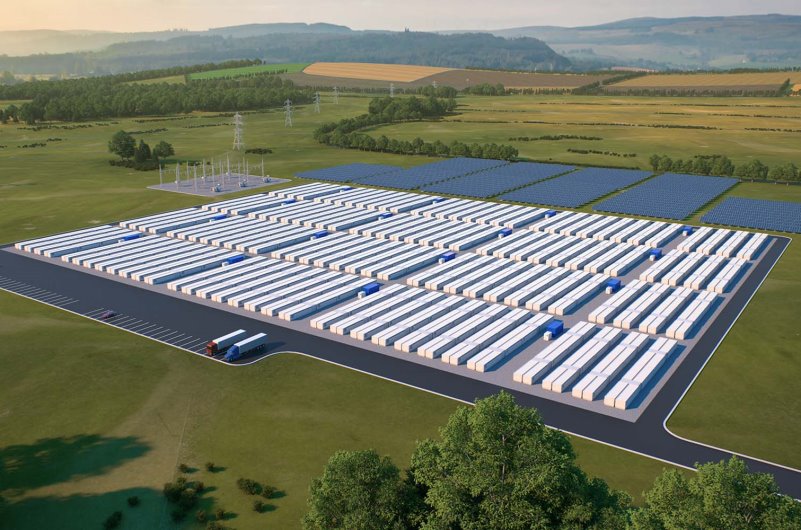
This is intriguing information, especially as long-duration is key to US Department of Energy’s strategy for nation-wide renewable energy. We understand Form Energy claims a duration of 100 hours discharge for its new iron-air battery. Could a technology that emerged in the 1970’s finally have found its day now?
More Information
Iron-Air Batteries on Watch List
Metal-Air Electrochemical Cell Overview