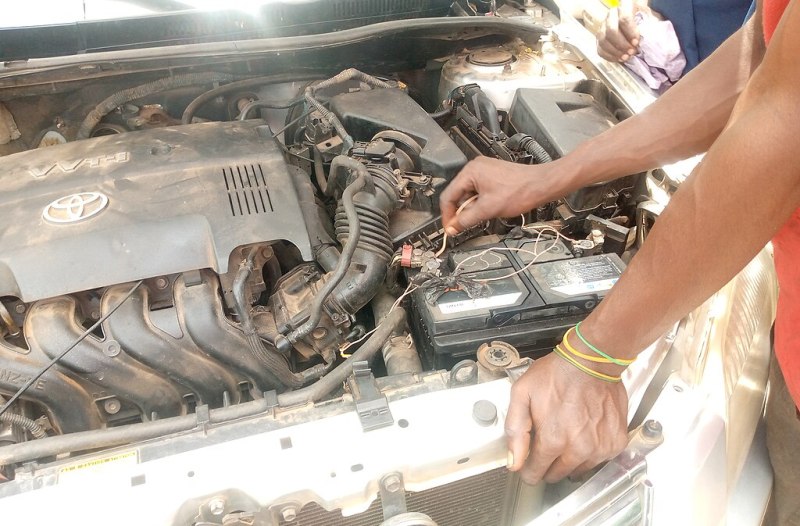
A slow starter motor, or an engine that will not turn over, is all you need on a Monday morning. Your first thought may be, is my battery or alternator at fault? We wrote this post so you may never need to ask again. It’s best to review the warning signs regularly, so you don’t have to pay for an emergency call.
Your Battery and Alternator Are a Team
You need both a battery and an alternator to start your vehicle, although they work at different times:
- Your battery stores and delivers electricity, to energize the high-energy starter and ignition coils. After the engine turns over, your alternator starts recharging the battery.
- The alternator also supplies electricity to your car’s secondary circuits. This ensures that your battery remains topped up after an hour, and ready to restart your car again.
All is good and according to expectations, until either of these systems fail. This is most likely to develop gradually, as a result of the equipment slowly degrading. It could pay you handsomely to keep an eye out for warning signs.
Warning Signs Your Electrical System is Failing
If your electrical system is showing signs of trouble, then it could either be your battery, or your alternator at fault. Follow these checklists in good time, and you should always be able to start your vehicle.
Signs of a Failing Battery
A failing battery no longer has sufficient energy to engage with, and turn over your car engine. If the battery is failing, it may only turn the engine over slowly. If it is nearly flat, you may only hear the starter motor ‘clicking.
If you look under the hood and smell something like rotten eggs, then your battery is leaking. If you notice the sides of the case swelling, then your battery is definitely on the way out. Change the battery urgently, whichever description applies to you.
Signs of a Faulty Alternator
A faulty alternator is no longer able to recharge the battery. If you change the battery, and the problem persists, then this could be where the issuelies. Warning signs may include under-powered accessories, burning smells, or strange noises coming from the alternator.
We hope you find this information valuable, and that it helps you to avoid a breakdown. We don’t manufacture lead-acid starter batteries, but we do make other sizes for a huge variety of different applications.
More Information
Flat Winter Starter Batteries: Where Are They?
Dynamos and Alternators Do Different Currents