The Pliocene Era between 2.6 and 5.3 million years ago is an indication where climate change may lead us. The last Antarctic forests were still eking out an existence despite temperatures being 2º to 3º warmer than today. Much ice had melted in the heart of the ‘white continent’ says Prof Martin Siegert from Imperial College London. All the Greenland ice was gone, he explained to the BBC.
Scientists Discover Remains of Last Antarctic Forests
As the Antarctic ice thins due to warming, scientists are finding interesting things emerging. Prof Jane Francis of British Antarctic Survey has found fossilized remains of shrubs 300 miles from the South Pole. Others have discovered abundant evidence of wildlife.
“These are twigs similar to southern beech,” she told BBC News. “I like to call them the remnants of the last forests of Antarctica.” We’re probably looking at relics from the Pliocene Era, she adds. That was when glaciers retreated and the environment was a bit like the tundra. The Pliocene Era had as much CO2 in the atmosphere as we have today (400 parts per million). Therefore the last Antarctic forests are a somber warning.
Finding fossils in Antarctica
How Drilling Ocean Sediments Completes the Picture
The ocean holds its secrets well but it never lies. The Greenland Ice Sheet topped the ocean level up by 23 feet. The East Antarctic followed through with a further 10 feet. So now we have a glimpse of what will happen if we allow global temperatures to continue rising.
If we do not stop this, then we need to estimate how rapidly Greenland and Antarctica would retreat, so we can prepare for rising ocean levels. Prof Rob DeConto from the University of Massachusetts-Amherst thinks the current rate could scale up a hundred times. “Maybe, it takes 10,000 years to get to 20m. We’ve still got a lot more work to do,” he says laconically.
“We’ve got to bring CO2 levels down to zero by 2050, and then negative after that. It’s a massive undertaking but it’s possible.” The last Antarctic forests tell us why we must.
Related
Canada Warming Twice as Fast as Rest of World
Report Shows How Climate Change Will Affect U.S Caribbean
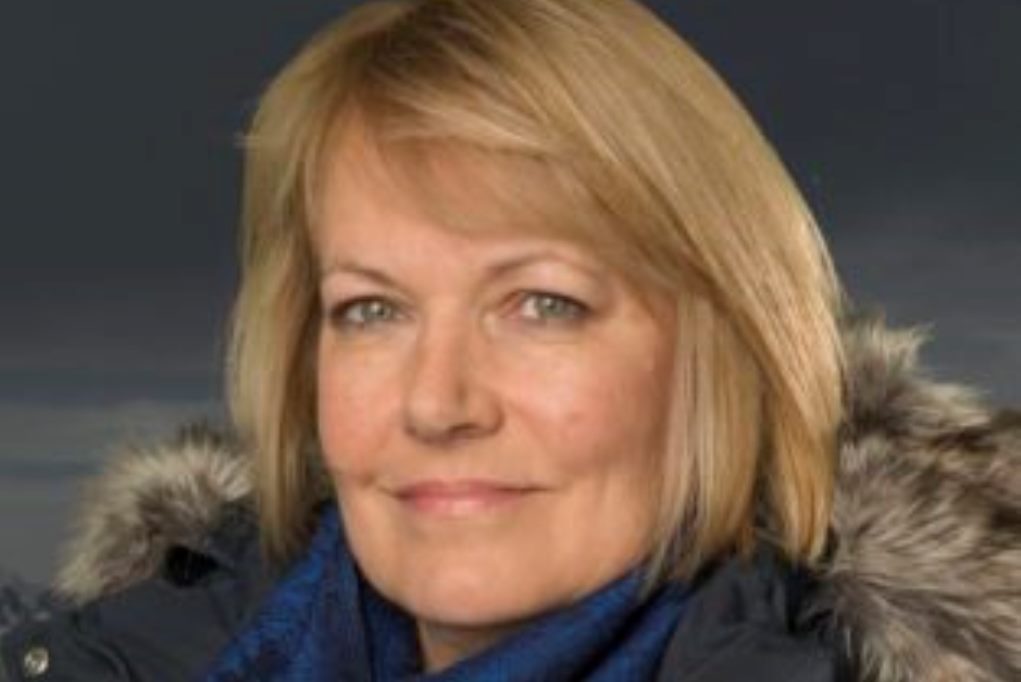
Preview Image: Professor Dame Jane Francis
Video Share Link: https://youtu.be/OX2RtqFKrmc