Scientists working for the Canadian government have alerted authorities to Canada warming at an alarming rate. They say that’s because this is double the global average and warning signs are evident in many places. Moreover, the Canadian Arctic is in an even worse position and much damage is probably irreversible. This is deeply concerning. Because if all the polar ice melted sea levels could rise as much 200 feet.
Canada Warming Greatest in Northern Areas
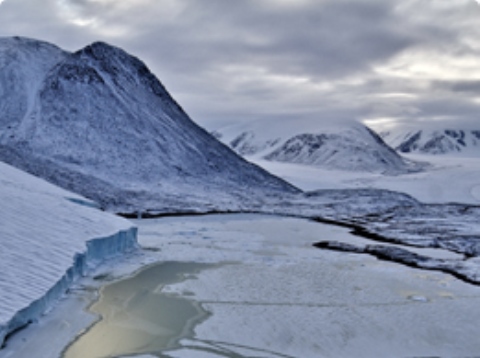
The scientists say Canada’s average temperature has warmed by an estimated 1.7 C / 3.1 F since 1948. The Prairies, the North, and Northern British Columbia have impacted most. Moreover, annual average temperature in northern Canada has increased by an alarming 2.3 C / 4.1 F since 1948, they say.
The greatest cause appears to be human activity compounding natural climate variations. The Canadian government imposed carbon taxes on four provinces because they did not have plans to counter global warming. We hope this encourages them to take recent Canada warming to heart, as heatwaves, droughts, and wildfires increase.
The Oceans around Canada Will Not Be Exempt …
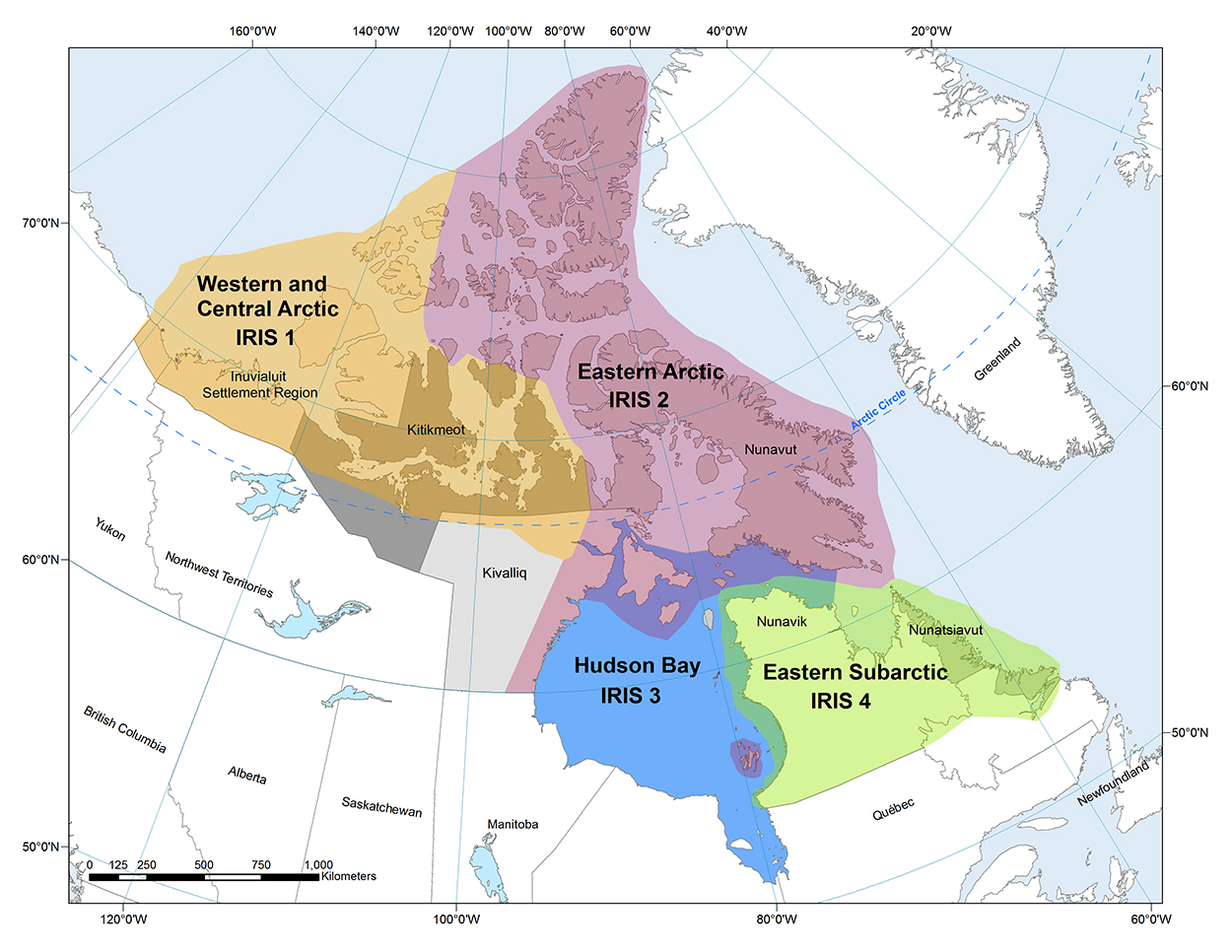
Moreover, acidity will increase in seawater reducing oxygen concentrations and harming marine life. The ice in parts of Canada’s Arctic Ocean could even completely melt. Then heavy rain and rising sea levels could flood some areas.
Canada’s rapid warming is the result of several factors. Less snow and sea ice means less solar radiation reflecting back.
Despite this, the BBC reports the scientists have told the Canadian government “the amount of warming could be limited if global action is taken”.
This would necessitate “reducing carbon emissions to near zero by the second half of the century.” And reducing emissions of other greenhouse gases substantially. Once again we have to ask if public opinion is changing fast enough to enforce this.
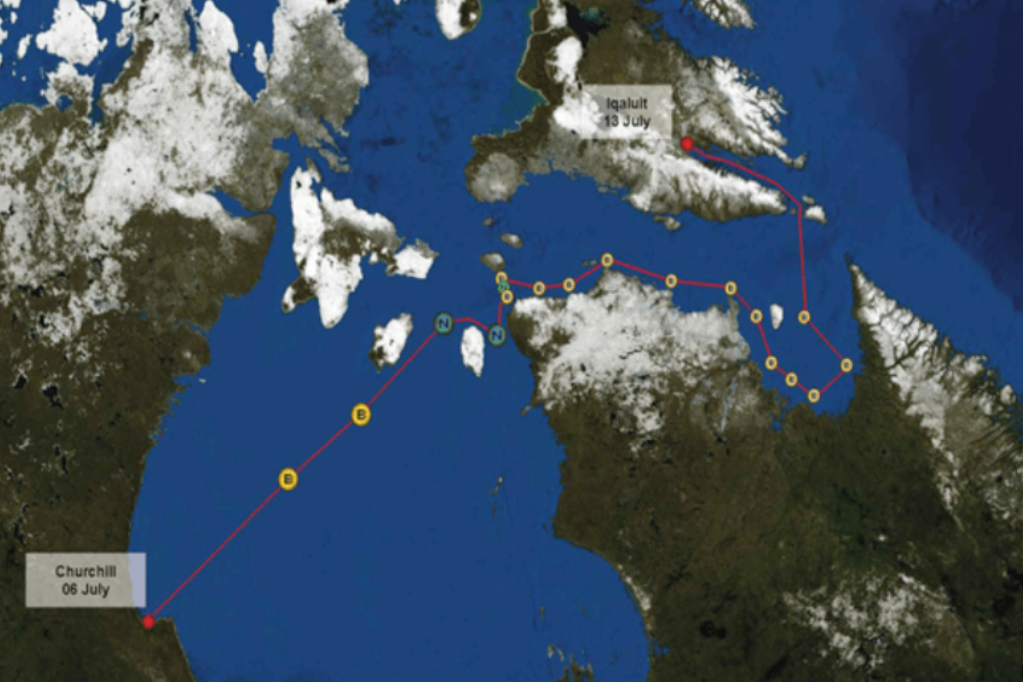
ArcticNet from whom we harvested these images studies the impacts of climate change and modernization in the coastal Canadian Arctic.
Related
Canada’s Quebec Steals a Lithium-Ion March
Carbon Tax in Canada – How and Why?
Preview Image: Schools on Board Arctic.Net Outreach Program