When lead-acid batteries take to the road, then things are literally humming! Lead-acid batteries did not remain in laboratories for ever. Smaller, more powerful batteries became an important source of power for early electric vehicles.
Planté’s Original Battery Could Be Stored And Used Again
Gaston Planté’s original battery, introduced in 1859, proved that electrical energy could be stored and used again. However, his design was heavy and had limited capacity for its size. This made it unsuitable for most vehicles.
A Major Improvement Came From French Inventor Camille Faure
A major improvement came from French inventor Camille Alphonse Faure, in 1881. He developed a method of coating lead plates with active material. This greatly increased the amount of electrical energy that could be stored. Grid designs also made the plates stronger and better able to hold the active material.
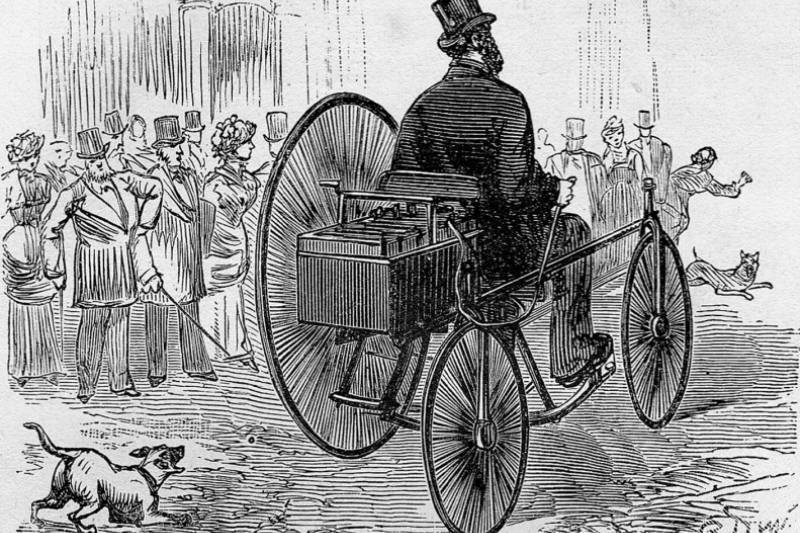
These improvements arrived just as inventors were experimenting with electric transport. In 1881, French inventor Gustave Trouvé used a rechargeable lead-acid battery to power an electric tricycle. Other inventors soon developed electric carriages and cars using similar batteries.
Electric Vehicles Became Attractive In Cities
Electric vehicles became especially attractive in cities, as lead-acid batteries took to the road. They were quieter and cleaner than horse-drawn transport, and avoided some of the difficulties associated with early internal combustion engines.
Electric Cars Appear On Roads In Europe And America
By the 1890s, electric cars were appearing on roads in Europe and America. New York even developed electric taxis. In 1899, Belgian driver Camille Jenatzy set an electric land-speed record of about 109 km/h in a car powered by lead-acid batteries.
Lead-Acid Batteries Had Limitations. They Were Heavy
Lead-acid batteries had limitations. They were heavy, and this restricted the distance electric vehicles could travel. Nevertheless, they demonstrated that rechargeable electrical power could move people and goods.
More Information