From time to time news breaks of a fire or explosion at a battery recycling plant. The operators often blame a lithium battery that ended up in a crusher. This may be down to a consumer who did not know the differences between lead and lithium batteries. We wrote this post to highlight these.
Large Weight Difference between Lead and Lithium

Lead and lithium batteries may look remarkably similar. This could be an old marketing ploy to coax consumers across to the new technology. However, the difference is obvious when you pick them up. Lead batteries are noticeably heavier because of the lead plates inside.
That being said, the differences do not stop there. Lead batteries are labelled ‘lead-acid battery’ and bear the symbol ‘Pb’. Whereas lithium batteries have a different label plus the symbol ‘Li’: unfortunately though, this labeling system is not perfect. That’s because this information is only on one side of the battery, and may be invisible from the top when standing upright.
However The Biggest Difference Lies in Chemical Stability
Lead and lithium batteries have different chemical compositions. Lead-acid ones are chemically stable. Although the diluted sulfuric acid sealed inside may cause skin burns if the case fractures. Some volatile hydrogen gas may escape during bench charging.
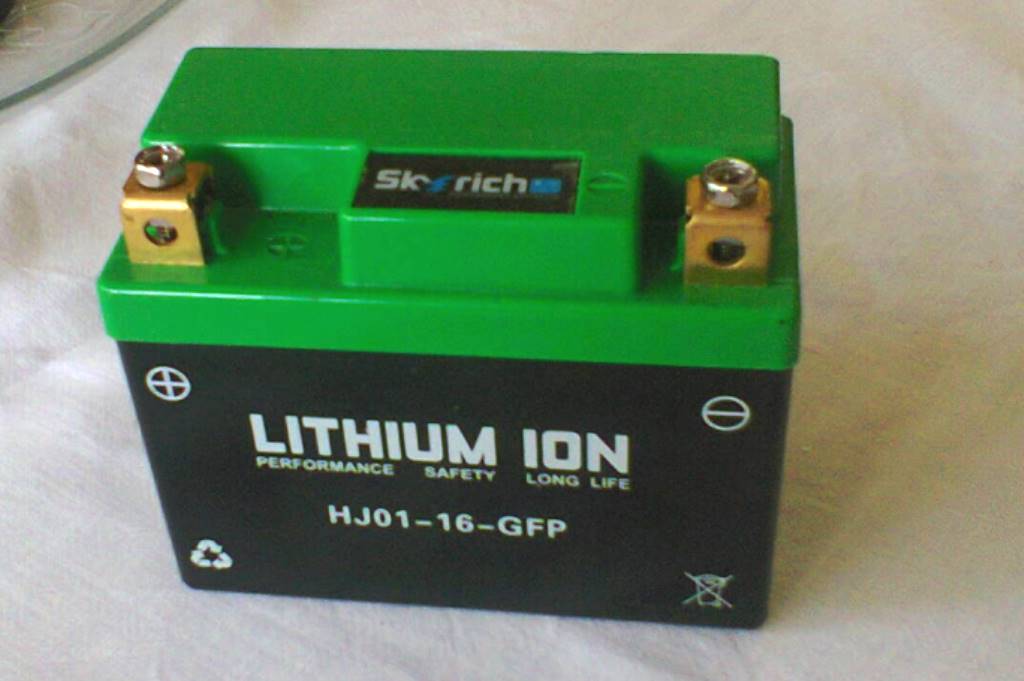
Lithium-cobalt-oxide batteries on the other hand may self-ignite when overcharged. The media have made much of the ‘thermal runaway’ that follows. Battery scientists have improved the technology by developing safer lithium-ion phosphate models. However, these have slightly lower densities not always acceptable to impatient customers.
We have seen many lithium batteries large and small that do not clearly identify which type they are. Used lead and lithium batteries are not the same. They must be identified and separated before handing over for recycling.
Related
Demand for Lead-Acid Batteries Growing
Lithium Recycling Myths Dented at Duesenfeld
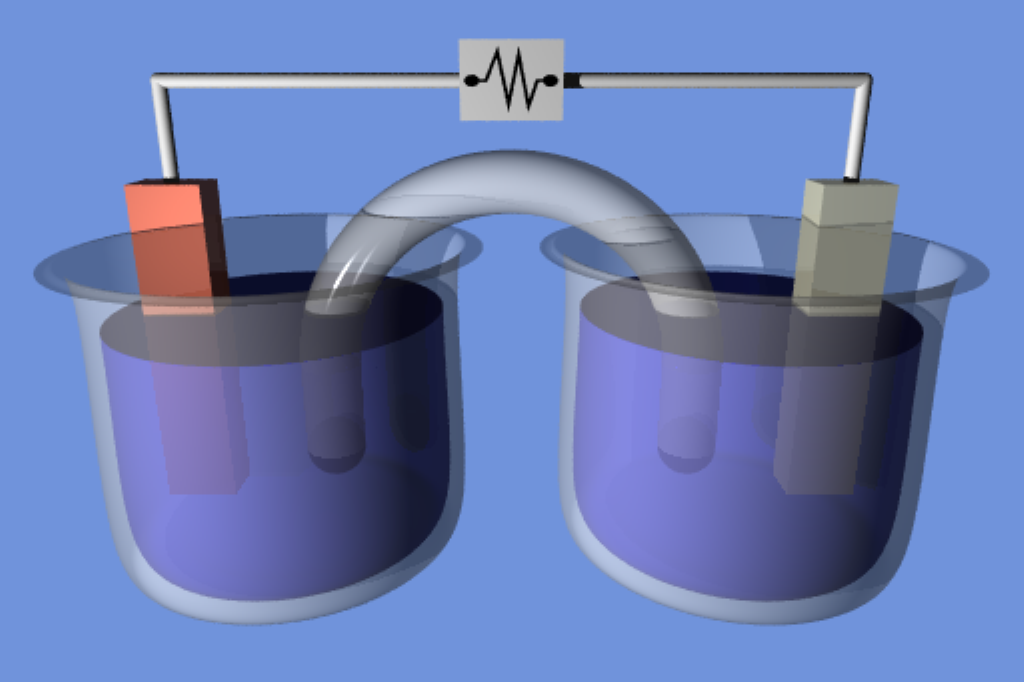
Preview Image: The Principle of the Electrochemical Cell