You could be in for a surprise, if you looked closely at the electrics of an 800-volt, lithium-powered electric car. That’s because the chances are good you’ll find a lead-acid battery nestling somewhere. Mind you, the lead batteries at the heart of electric cars are not there to rocket them to hyper-speed. Although they do still have a vital role to play.
The Dual Electric Systems in Electric Vehicles
Engineers still cobble electric power-trains onto conventional automobile geometry. In fact, the only noteworthy difference is they have battery banks instead of gasoline tanks. Plus they have electric, and not internal combustion motors.
The first of these dual electric systems interconnects the lithium batteries, and motor that accelerates them to impressive speeds in whispering silence. Lead batteries do not have the capacity per unit of weight to match this performance.
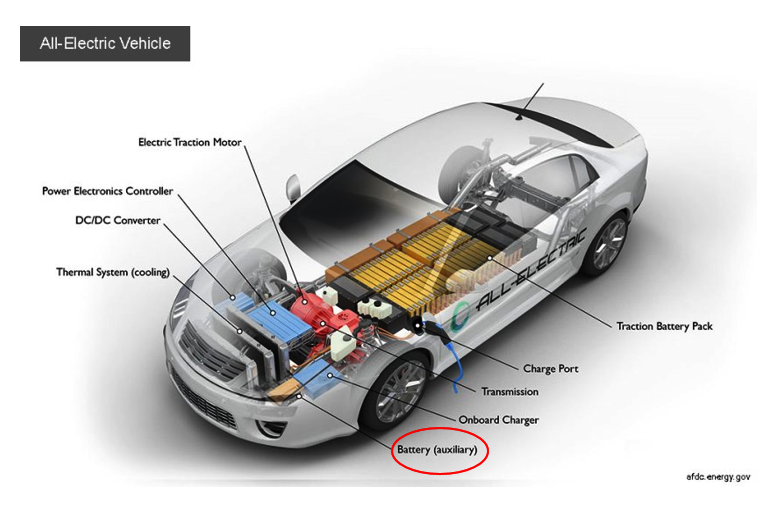
However, if you tried to charge your phone off an 800-volt supply, you could literally have lithium on your face. The lead batteries at the heart of electric cars perform the secondary role of powering the auxiliary systems managing the human interface.
Smart Lead Batteries at the Heart of Electric Cars
Smart lead batteries prove their worth when you use the key fob to open the door. They also manage the engine control units, and the in-car infotainment system too. And if you are unfortunate enough to have a collision and trigger the lithium battery cut-out, then all is not lost.
You should still be able to open the windows and doors when the first responder arrives. Moreover – and this one could be a winner if the collision was minor – you could turn on the ‘tainment and enjoy a game of your favorite soduku or solitaire. Long live long-life batteries.
Recent Posts
Extracting Hydrogen Gas From the Ocean
Southern Ute Tribe Is Warming to Solar Energy
Preview Image: Auxiliary Electric Car Battery