Lithium battery aging continues to be a thorny problem. Daniel Abraham at Argonne National Laboratory thinks this may be because manufacturers are over-concentrating on increasing density. Density being the amount of energy they store. Before getting to grips with why lithium batteries age, we need to review how they work.
How Their Design Causes Lithium Battery Aging
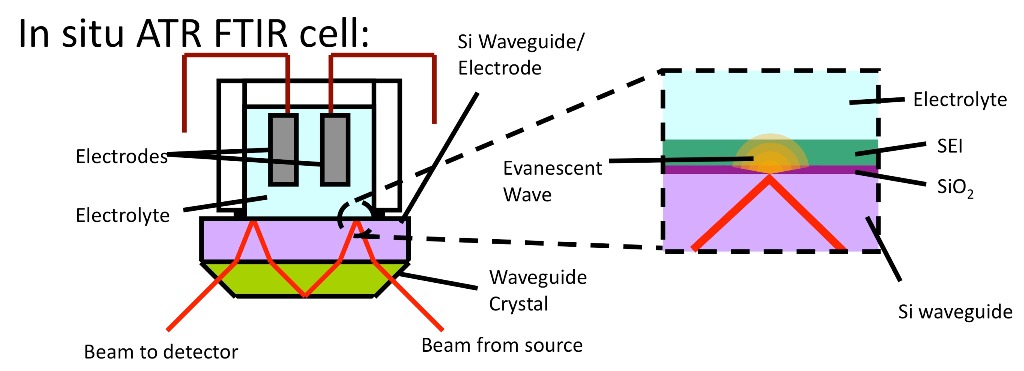
Lithium ions move between electrodes through a watery substance we call electrolyte, in order to produce energy. This creates the negative and positive charges we call electricity. In theory, this could go on forever, but there are sideshows preventing this. Lithium battery ageing is down to a phenomenon we call solid electrolyte interphase.
In elementary terms, what happens is the lithium ions gradually trap in the interphase. Thus, over time there are fewer and fewer of them to manufacture the positive and negative charges. This causes capacity loss, or a reduction in the energy the battery can store.
The Ideas Daniel Abraham of Argonne Has Up His Sleeve
Daniel wonders if the manganese in lithium batteries is causing the solid electrolyte interphase problem. He thinks we could do away with lithium battery aging by getting rid of most of it. Previously we thought lithium-ion manganese-oxide batteries were a good idea. Now we are having second thoughts. We shall watch with interest.
So Might We See the End of Lithium Battery Aging Then?
Lithium batteries are almost ubiquitous because we find them in so many of our mobile devices. Over time, the amount of energy they store diminishes so gradually we hardly notice. Then one day we wake up, and discover our smartphone or laptop is not performing as it should. We have to buy a new battery or device.
The writing seems to finally be on the wall with this problem. Either scientists like Daniel will find a solution for lithium battery aging, or someone else will come up with a better battery.
Related
How Lithium-Ion Batteries Really Work
Could Zinc Replace Lithium-Ion Someday?
Preview Image: Solid Electrolyte Interphase