Longevity, in our world of batteries, means how many discharging-recharging cycles a battery can tolerate before it degrades too far. All battery types gradually lose some of their performance. However, in this particular post we focus on factors affecting lithium battery longevity, and what users can do to extend battery life.
Main Factors Affecting Lithium Battery Longevity
Operating Temperature Affects Battery Performance
Lithium batteries operate optimally at temperatures you and we enjoy. Although it is the temperature inside the battery that actually makes the difference. If a lithium battery becomes too warm, then its chemical reactions speed up, and this reduces its lifespan. Cold battery performance degrades, until the cell warms up again.
Lithium Battery Longevity and Depth of Discharge
Depth of discharge refers to the percentage of energy a battery gives up compared to its total capacity. Of course, this varies depending to fluctuating demand. However, as Gud Story explains, each deep discharge may limit the amount of cycles as the battery degrades. A wise user avoids discharging more than half a lithium battery’s capacity.
Rates of Charging, and Discharging Matter Too
It’s always best not to over strain a lithium battery, and allow the chemistry to work at its natural rate. Speeding up charging and discharging can cause the materials inside to overheat, and shorten longevity. Battery management systems keep these parameters within far safer limits nowadays. Study and apply the advice in the user guide.
And Finally, the Environment Also Matters
No man is an island, a poet once said a long while ago. Much the same is true of lithium batteries. They don’t like high humidity. This can lead to moisture entering the cell and causing short-circuits and corrosion. Lithium batteries also don’t like contact with pollution, and this can also affect lithium battery longevity as well.
Lithium Battery Longevity Depends on Chemistry
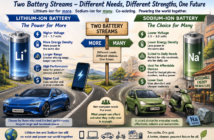
The above are general guidelines applying to lithium, and most other batteries too. However, there are differences with lithium sub-types, for example lithium-iron-phosphate, and lithium-ion. Some have greater capacity, while others last longer. It’s best to understand these differences before you decide what suits you.
More Information
Recent Lithium Battery Breakthroughs