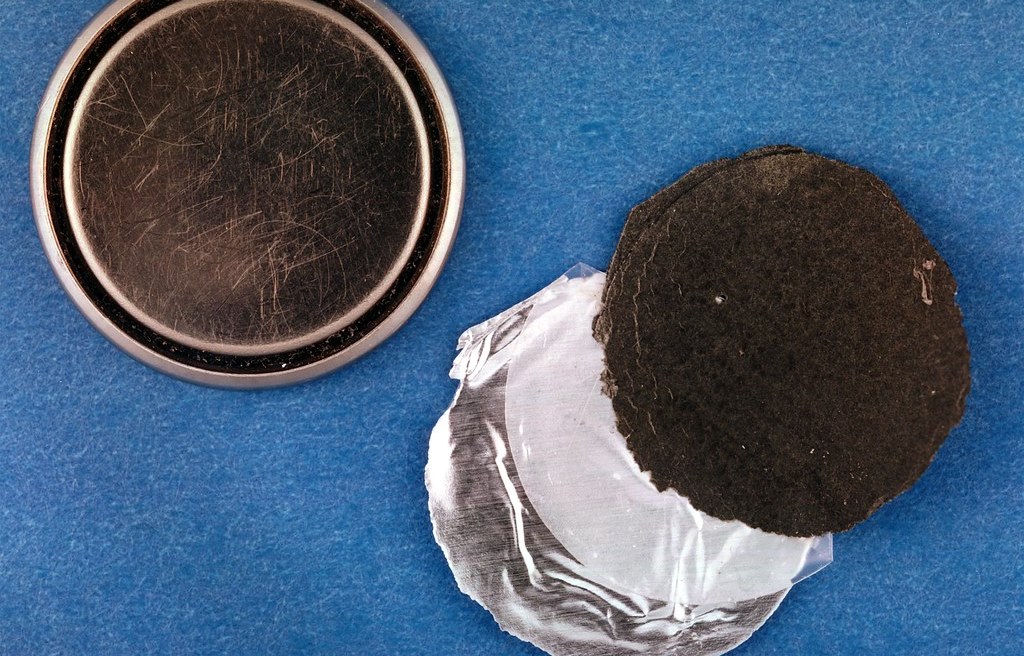
Lithium battery safety has become an issue because there are so many cells in circulation. Moreover, rogue manufacturers cut corners by not following accepted industry standards to capitalize on high demand. We post this advisory to help you avoid the hopefully unlikely event of a lithium battery accident affecting you.
What You Need to Know about Lithium Batteries
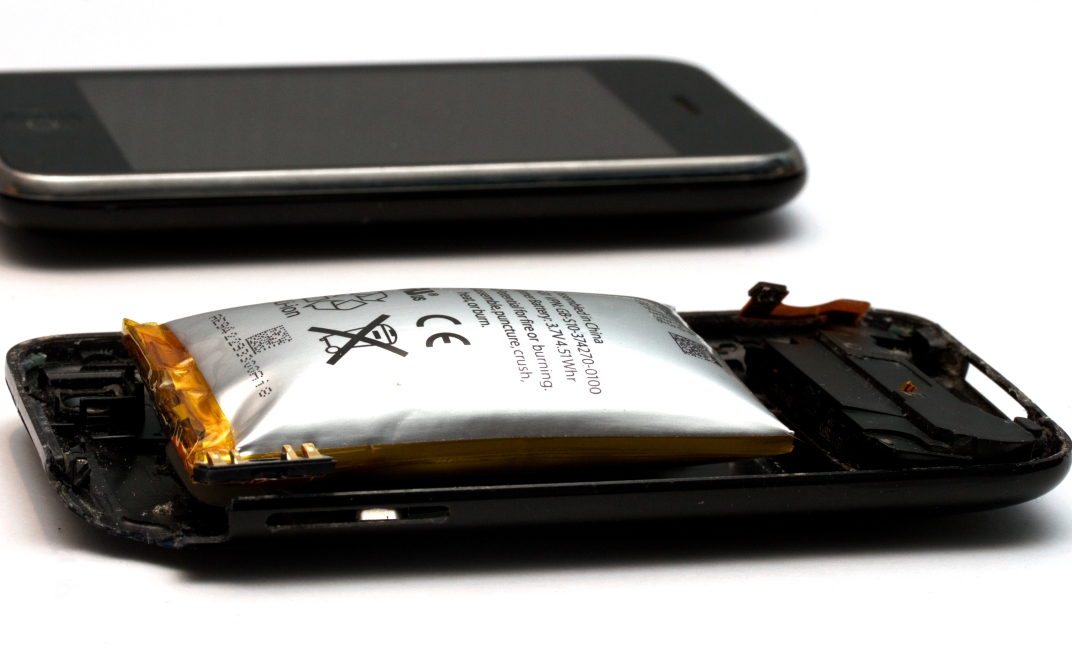
There are two generic types of lithium batteries, namely single use non-rechargable ones and cells you can recharge. Both commercial types contain a flammable electrolyte that can overheat in out-of-specification situations. These lithium batteries are available as button / penny / coin, polymer / pouch, cylindrical, and prismatic cells.
Lithium batteries are potentially more volatile than other types because they have higher densities (the amount of energy they store). The flashpoint of the carbonates in their electrolytes varies between 18 to 145º C according to University of Washington. Their Environmental Health and Safety department advises lithium-ion battery fires and accidents are on the rise. However the “present risks can be mitigated if the technology is well understood”.
Mitigation: Essential Lithium Battery Safety Tips
Physical damage, short circuits and overcharging, and exposure to elevated temperature can all cause overheating. Therefore remove a battery or device to a safe place outside if detecting heat.
Create lithium battery safety awareness among your family. Ensure they only purchase trusted brands and leave the packaging intact until just before use. We must prevent battery terminals short-circuiting together. Never leave a lithium battery charging unattended and remove the charger when it reaches 90%.
Keep small lithium penny (button) batteries safely away from kids. That’s because a short circuit can cause serious injury if they pop them in their ears or nostrils. Or worse still swallow them as some kids do.
Related
Advice for Parents: Do a Penny Battery Audit
FDA Starts Regulating Vaping Industry
Preview Image: There Are Chemicals Inside Lithium Batteries