Scientists have been hoping that lithium-sulphur batteries would prove the solution we are looking for, due to higher energy density. To date, their more rapid degradation has countered their ability to store more electricity per unit of mass. This could be about to change.
Tackling the Key Lithium-Sulphur Defect Head On
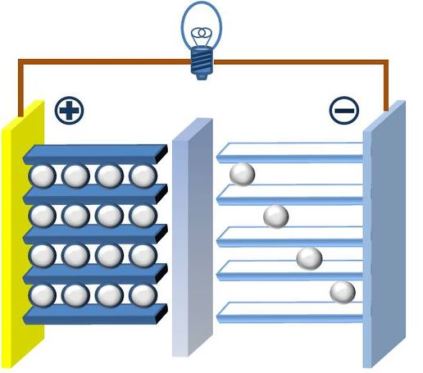
This degradation occurs as active materials in lithium-sulphur batteries lose their way while shuttling between anode and cathode electrodes.
A UK-Chinese team of scientists has uncovered a neat way of trapping them so they continue to do their job. In headline terms, this involves attaching a delicate arrangement of zinc oxide wires on one electrode. This traps the fragments for reuse like a tiny sponge.
“It’s a tiny thing, this layer, but it’s important,” says Paul Coxon from University of Cambridge’s materials and metallurgy department. His team hopes their lithium-sulphur batteries will have five times the density of lithium-ion when commercialized. However so far we only appear to have a solution in principle. It may be years before we start using the new batteries in our wearables and smartphones.
Where the Lithium-Sulphur Scientists Got Their Idea
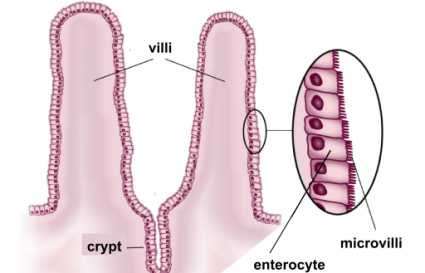
The researchers derived their method from what happens in our small intestine. Call it ‘gut feel’, but there are tiny pairs of fingers in there trapping the last vestiges of food.
By taking inspiration from the natural world, they have found a way to trap the poly-sulphide fragments. However, their prototype still cannot compete with lithium-ion batteries regarding recycles.
We are entering an exciting world of battery development, although we cannot peer ahead and accurately predict the next move. We salute scientists working patiently to improve battery density around the world.
Related
‘Double-Duty’ Electrolyte for Longer Lasting Batteries
A Sulfur Composite Battery with 3 Times Higher Energy Density
Longer Lasting Rechargeable Lithium Batteries with Silicon Electrodes