This short series provides a summary of the European vision for lithium-ion in the marine battery industry. Thus far, we have considered the Union’s conclusion that uptake will be slow until fire risks are resolved. And furthermore until the economic advantages are self-evident. In today’s post, we consider marine lithium safety from the perspective of fire suppression being the core of its concern.
Marine Battery Systems are Getting Larger: Are We Prepared?

The European Union report cites as example a 600Vdc / 960kWh / 1,600Ah system with a total weight close to 4,500kg. Clearly, it says the Aentron lithium marine battery requires special ship certification and fire suppression measures.
However, it continues that these goals become challenging “due to the scale and risks associated with such large systems.” The EU accordingly calls for what it calls a specialized lithium-ion fire suppression system. This will meet the specific requirements demanded by an ocean-going vessel far out to sea.
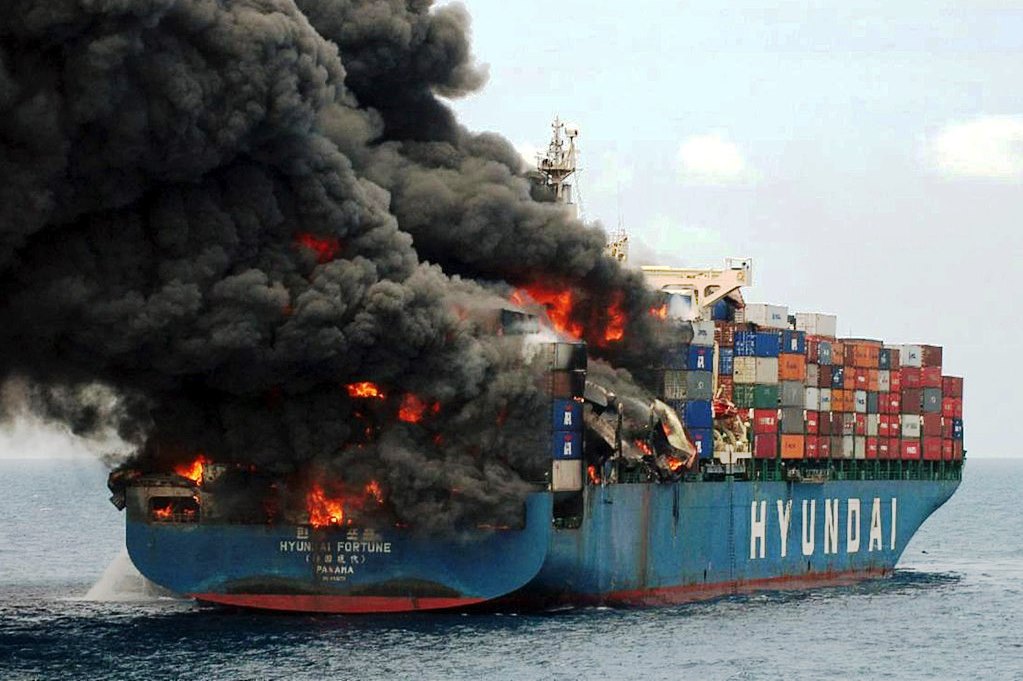
In this image above, the container ship caught alight after undisclosed, highly flammable cargo stacked next to the engine room exploded.
Currently Available Suppression Systems Not Up to The Task
The authors of the European Union report believe, “the currently available fire suppression systems are not up to the task. And in many cases would worsen the situation if activated.” Again, we should emphasize how lonely it can be on a ship on uncontrollable fire far out to sea.
The report once again reminds that “a lithium-ion battery fire is one of the most dangerous and difficult fires to get under control and extinguish.” And can be more deadly than a ship sinking. This is because lithium marine battery fires do not need oxygen to burn, and applying water can worsen the situation.
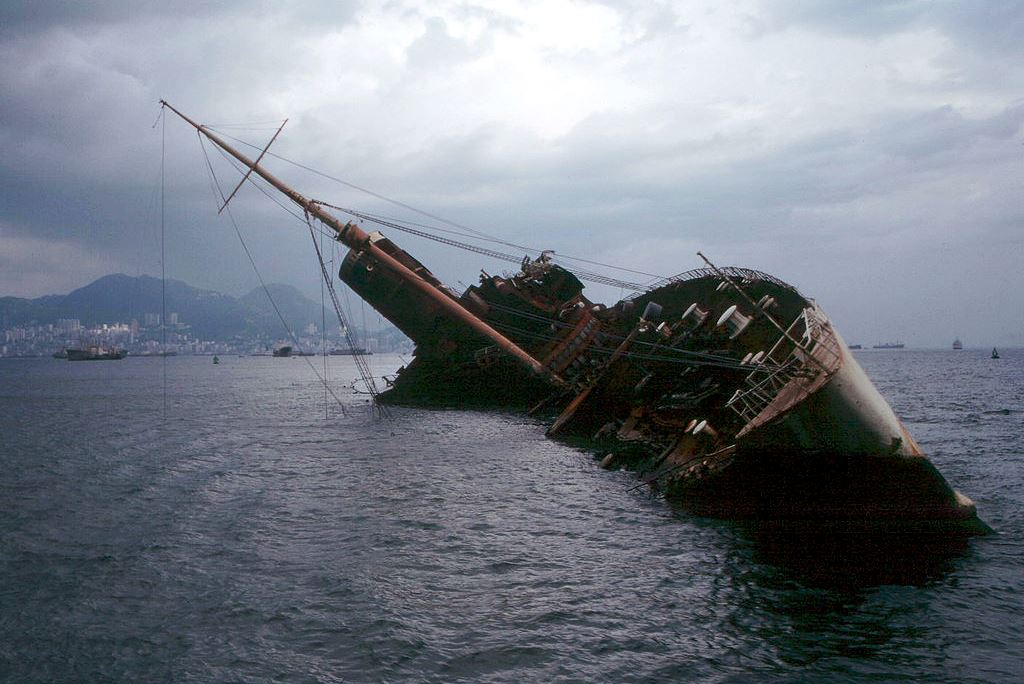
The once proud Queen Elizabeth ocean liner caught fire under mysterious circumstances while undergoing conversion to a university. As we work through this report, we find our attitude shifting. Because we now understand why the shipping industry is slow in adopting lithium marine battery technology. Especially since the severity of the fire can be hard to predict, and the loneliness of the event far from land.
Related
Marine Lithium Batteries: EU Update 1
Lithium Marine Batteries: European Union Update 2
Preview Image: Hyundai Fortune