Lithium-sulfur batteries are an attractive prospect for replacing lithium-ion. They have high potential energy density, and cost significantly less. Yet, there are still no high-energy lithium-sulfur batteries on the market. This is because their lithium anodes and sulfur cathodes interact to form damaging dendrite formations. On October 13, 2023 scientists announced a lithium-sulfur battery capacity innovation that saves money, but delivers considerably more energy.
Need for Greater Lithium-Sulfur Battery Capacity at Lower Cost
Current lithium-sulfur designs cause tree-like dendrites to form on their anodes. This degrades their electrolytes, and causes them to fail after as few as 50 discharging-recharging events. Lithium-sulfur cells could also short-circuit during their short lives, and potentially cause their unstable, flammable electrolyte to catch fire.
The current generation of lithium-sulfur batteries utilizes metallic lithium, and sulfur to deliver potentially more energy per gram than lithium ion. While this process may be more efficient, mining lithium metal leaves a large environmental footprint.
The team at Monash University in Melbourne, Australia claims their adapted version uses less lithium. It also has more energy per unit of volume, lasts longer, and would be half the price of lithium-ion batteries. Greater lithium-sulfur battery capacity could represent a major breakthrough in the search for denser batteries.
How Monash Scientists Resolved the Lithium-Sulfur Stalemate
The team developed a nanoporous polymer coating they applied directly onto the lithium foil anode. Almost in a flash of brilliance, they invented a longer-lasting battery costing less, but with more energy per unit of volume. Greater lithium-sulfur battery capacity was close to becoming reality!
PhD student and lead researcher Declan McNamara explains, “The polymer contains tiny holes less than a nanometre in size – one billionth of a meter. This allows lithium ions to move freely while blocking other chemicals that would attack the lithium. The coating also acts as a scaffold for lithium, and helps it charge and discharge repeatedly.”
This innovation uses less lithium, and removes the need to use nickel or cobalt. Prof Majumder from Monash University comments, “Lithium-metal protection technologies will become crucial in our quest towards energy-dense, and sustainable batteries of the future.
“The study establishes a new framework to protect lithium-metal from rapid decay, or catastrophic failure, which has been an achilles heel for lithium-sulfur batteries.” The new design seems ready for the first commercial application. But who will be sufficiently bold to take it up?
More Information
Metal Nanoclusters in Lithium-Sulfur Batteries
Kevlar Fiber Membrane for Lithium-Sulfur
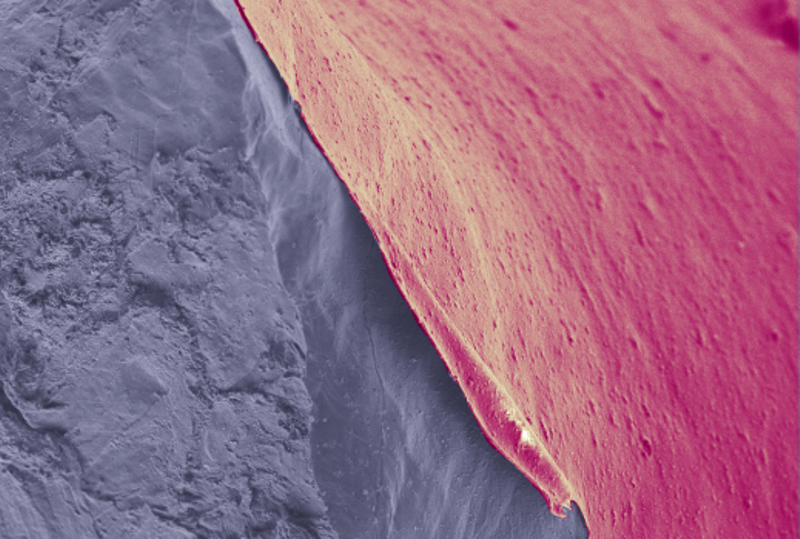
Preview Image: Nanoporous Polymer-Coated Lithium