Seattle’s Public Utilities department recently outlawed several battery types in garbage that pass through its disposal systems. The reasons given for this decision include a greater fire risk. The ban extends to certain other flammable materials. We focus on the reasons why no batteries in the garbage of some types are permitted in Seattle going forward.
Which Items Fall Under The Seattle Ban?
The Seattle rule of no batteries in the garbage does not extend to all battery types. The new Director’s Rule applies specifically to the following items, and we quote:
- Cathode ray tubes, electronic products covered by the Washington Electronics Recycling Law.
- Batteries, as defined under the state’s Dangerous Waste Regulations including but not limited to:
– Miniature button cell batteries.
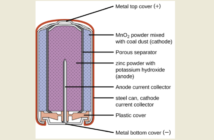
– Zinc air, alkaline, and silver oxide batteries.
– Lithium-ion, nickel-cadmium, and other rechargeable batteries.
Seattle Times reports this ban extends to items with batteries embedded in them, although we could not find this in the Director’s Rule we link to below.
Why Are Some Batteries Not Allowed in Seattle Garbage
The Director’s rule came about because the affected products contain ‘heavy metals and other hazardous substances’. And these can pose risks to human health and the environment if disposed of in landfill.
“Batteries also pose risks to human health and the environment when disposed through the solid waste collection system,” the reasoning continues. “Mercury, lead, cadmium, lithium, and other metals (or even acid) can leak from batteries.
“Alkaline batteries also contain acids that corrode metals and can damage the environment. Certain types of batteries also have the potential to cause fires. These pose risks to the safety of solid waste collection staff, vehicles, and facilities.”
The Seattle Public Utilities announcement points out that there other safe procedures for processing the affected types of waste. These are funded by the Washington State government, and are free to consumers and businesses.
Users of lead-acid batteries are not affected by this rule. The distribution industry already has well-established channels for ensuring more than 95% of lead-acid batteries reach commercial recycling plants safely and efficiently.
More Information
Careless Battery Fire Disrupts Recycling
Take C.H.A.R.G.E of Battery Fires Says FSRI