

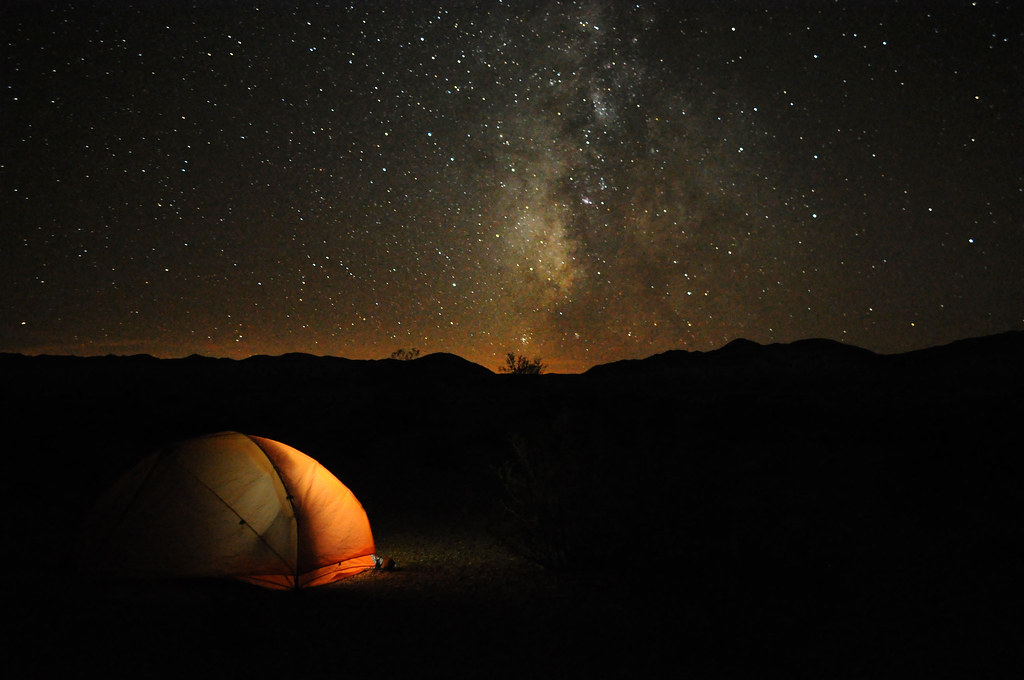
A keynote struggle is brewing over Panamint Valley in Death Valley National Park. We need more green energy, but this should not come at the cost of what we are trying to preserve. Los Angeles Times reported on May 7, 2019 an Australian company applied for permission to drill four exploratory wells there. That’s because they want to determine the lithium content in salty brine beneath the valley floor.
Environmentalists Up In Arms over Threat to Panamint Valley
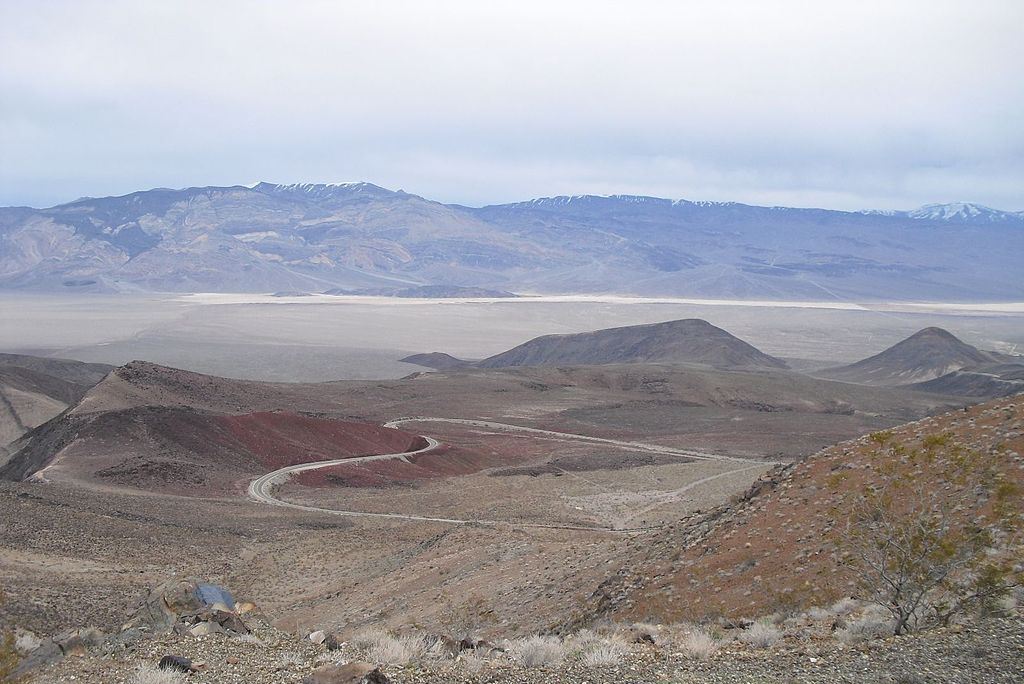
Panamint Valley formed when a giant lake 100 miles long turned to desert 12,000 years ago. The evaporating water left behind abundant evaporitic salts including common salt and borax mined between 1883 and 1907.
“This is a misplaced lithium-ion mining project in an area that the public has already agreed should be protected for generations to come.” So says occasional hiker and director of California and Desert programs for the National Parks Conservation Association, David Landform. That’s because he doubts the silence, solitude and natural beauty of Panamint Valley could survive an assault by heavy mining equipment.
A Highly Emotional Debate Fueled by Personal Interest
Environmentalists fear the test wells will lead to full scale mining if successful. This is because the United States is out on a limb when it comes to security of local lithium reserves. The naysayers paint a picture of industrial sprawl, and large and unsightly drying ponds threatening a fragile ecosystem.
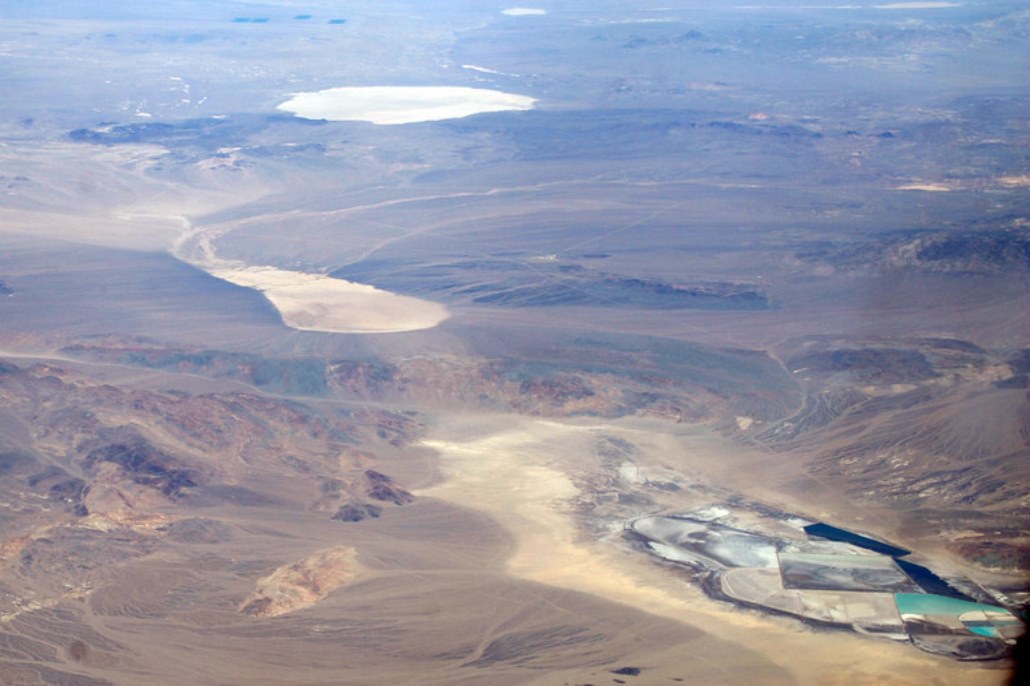
However, “it’s a tricky question” according to Lisa Belenky, senior attorney at the Center for Biological Diversity. “We shouldn’t export the sacrifices to Bolivia and Argentina, for example, which have massive lithium mines. Moreover, we also think that Panamint Valley is not the right place for it,” she affirms.
We understand there is a deeper struggle behind this stampede for lithium resources. Where will the water come for the lithium evaporation process in Panamint Valley? Death Valley has a subtropical, hot desert climate. This means long, extremely hot summers and short, mild winters, as well as little rainfall.
Related
Chile’s Tumultuous Lithium Ion Reserve
National Lithium Recycling Project Launched
Preview Image: Death Valley But for How Long?


