The suffix ‘phyto’ means ‘derived from or pertaining to plants’, while mining is extracting minerals from the earth. Back in September 2014 website Phys Org speculated about phytomining metals from trees. This process would capitalize on the ability of some plants to isolate and accumulate metals in their shoots, they believed.
Phytomining Metals From Plants Back in News
Gouging a mine out of the earth to extract minerals is so, so 1924, Bulletin of the Atomic Scientists lamented on March 26, 2024. This would not be the case if we had an available alternative, of course. The U.S. Government Seed Fund apparently sees potential among a small number of plants able to accumulate minerals in their tissues.
We have always known that plants extract their nutrition, and moisture from the earth via their roots. So it makes sense that some of the 382,000 species should have a liking for particular minerals. If we had the equipment we might rush out and test our veggie garden, but we do not.
Seriously though, our imagination runs wild, when we imagine converting open-cast mines to gardens for phytomining metals. This could be a huge step forward in the quest for truly renewable batteries. Batteries with far-smaller carbon footprints with minimal impact on the environment. Take nickel, for example ….
Bureau of Economic Geology Wants to ‘Grow’ Nickel
The Bureau of Economic Geology is the oldest research unit at University of Texas. The bureau published a thought piece in September 2020, speculating on nickel farming. They noted how the metal was in high demand for lithium-ion batteries, and also super-alloys for aerospace and wind turbine applications.
The bureau mentioned their concerns over nickel mining and smelting, before turning to phytomining metals. “Luckily, we’ve found that nickel can grow on trees, or more specifically, shrubs” they exclaimed.
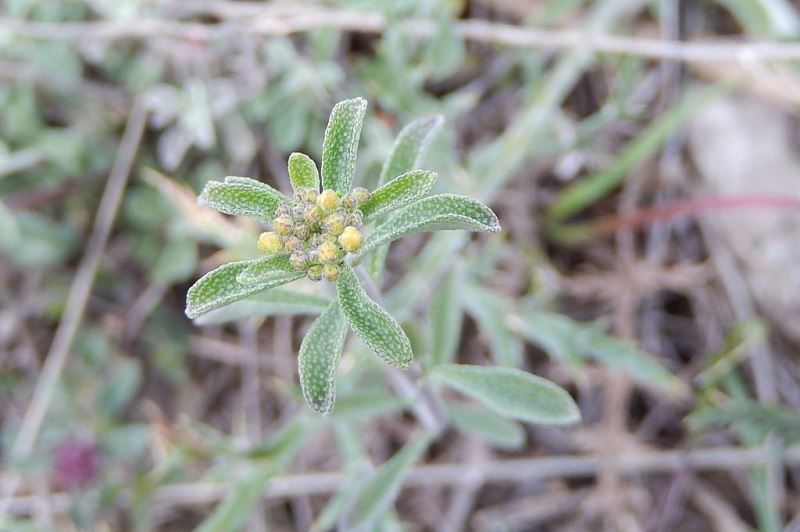
“Metals are toxic to most plants, which don’t grow in metal-rich soils. But some 700 species, like Alyssum Odontarrhena Bertolonii are hyper-accumulators – they actually pull metal from the ground and concentrate it in their tissues.”
Over 400 plants accumulate up to 25% nickel in their blue green sap, Bureau of Economic Geology explained. “Farmers cut back the shrubs once or twice a year, and either squeeze sap from the foliage or burn it and gather the ash.”
More Information
First Nickel-Metal Hydride Batteries Arrive
Nickel-Rich Cathode Degradation Unlocked
Preview Image: Odontarrhena Bertolonii Plants
Phys Org and Phytomining in September 2014
Funding Announcement by U.S. Government