There are two main kinds of lead-acid batteries on the market, namely starter and deep cycle versions. Their chemistry may be similar, but they are not interchangeable if we want them to last. We share lead-acid battery health tips with you in this post, because we want you to be happy with your purchase. With that in mind let’s get started.
Let’s Discuss Lead–Acid Starter Battery Health First
Lead-acid auto starter batteries have a large number of thin plates, to maximize their surface area. This format increases their maximum current output beyond what deep cycle lead-acid batteries could ever achieve.
However, a deep discharge cycle could damage a starter battery’s relatively delicate plates. In fact, regular deep discharging could lead to capacity loss, and ultimately premature failure as the thin plates disintegrate.
Starter battery manufacturers have a strategy to prolong their lead–acid battery health. They do so by keeping the lighter, thinner plates away from the bottom of the battery case. This separates the disintegrated material from the active plates, because if the two touch, then the cell may fail as eventually happens anyway.
Our Favorite Topic: Lead-Acid Deep Cycle Battery Health
Deep cycle batteries are less susceptible to damage, because their plates are thicker. This arrangement allows them to discharge deeper, although they cannot deliver peak current at the level that starter batteries do.
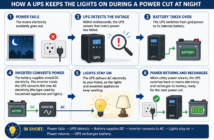
This configuration makes deep cycle batteries suitable for UPS back-up storage, fork lifts, golf carts, and a whole host of portable sport and mobility devices. Therefore, lead-acid deep cycle and starter batteries have their own niches, and are not interchangeable.
Is There No Room for Compromise Between Them?
Some battery makers produce compromise lead-acid batteries, that strike a balance between high current starter batteries, and deep cycle alternatives. These versions are able to discharge deeper than starter batteries, but not as deeply as genuine storage batteries do.
You may find these compromises on a shelf of your favourite battery store labeled marine, motor home, leisure etc. We can’t recommend you purchase a battery type for anything but its stated purpose. Use starter, deep cycle, and compromise lead-acid batteries only for the role for which they were designed.
More Information
How Lead-Acid Batteries Age and Fail