The International Marine Contractors Association published a post on November 7, 2025, concerning smoke from a UPS aboard a ship. This time a nickel-cadmium battery overheated, which surprised us somewhat. Fortunately the ship was in port at the time, and authorities were able to remove the batteries safely.
Responding to Smoke From a UPS Onboard
Smoke appeared in a battery room as a smoke alarm sounded on the bridge. The emergency firefighting team mustered and took action. They isolated affected electrical circuits and controlled ventilation to the affected area.
The team discovered that the smoke came from overheated nickel-cadmium batteries. These supplied uninterruptible power for the vessel’s dynamic position system, to keep it on a steady course.
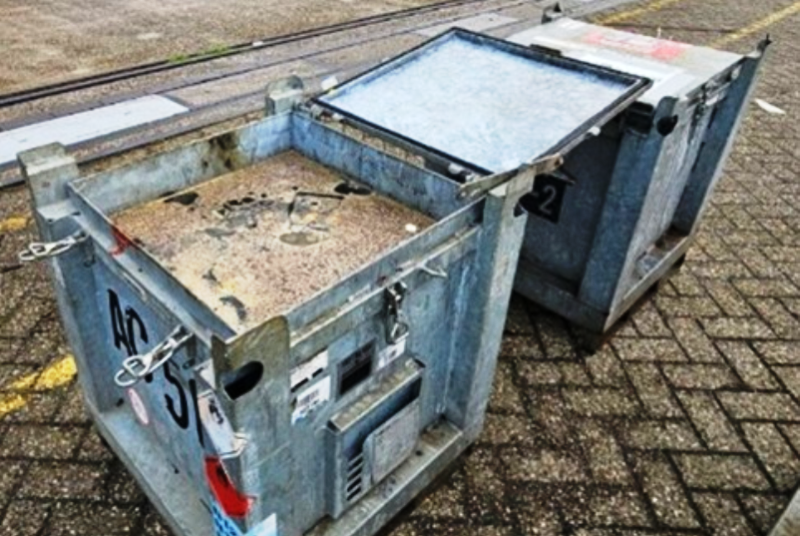
Smoke from a UPS aboard a ship calls for immediate action. The vessel’s crew were able to disconnect and remove the batteries. Then they submerged these in galvanized containers they filled with sand and water, to cool them and contain the heat.
More About the Batteries Behind the Incident
The vessel’s owner installed the nickel cadmium batteries in 2021, on the basis they were robust and resisted high temperatures. There were 32 of these batteries on four shelves. One overheated and gave off gasses, but did not actually catch fire.
Careful scrutiny after the event revealed some of plastic nickel cadmium battery cases were chipped. The investigators wondered whether this damage occurred during transportation or installation. Fortunately, nobody suffered harm during the incident.
Lessons for Battery Users From This UPS Incident
The master of the ship, and their response team, were well-prepared to cope with this incident. They had a smoke alarm system they took seriously, they knew where the batteries were, and they responded immediately.
But most importantly, the team had the right equipment and they knew how to use it. There is no substitute for preparation and training to combat such events. We should not wait for a battery incident, and then decide what to do.
More Information
Lead-Acid Versus Nickel-Cadmium Batteries
Nickel Cadmium Batteries May Overheat