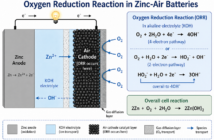
Sodium-oxygen cells use sodium for their anodes, and oxygen from the atmosphere for their cathodes. They have greater energy efficiency than their lithium-oxygen competitors, and could power implants but for one thing. Scientists have until now been largely unable to feed oxygen through our bodies to reach them. But this is changing, thanks to sodium-oxygen battery implants on trial at Tianjin University of Technology in China.
Key Aspects of Sodium-Oxygen Battery Implants
- Sodium-oxygen battery-powered devices have excellent bio-compatability.
- The prototype with ‘opened cathode structure’ revolutionizes the concept.
- Moreover, the prototype bends easily and performs well electro-chemically.
Considerations Leading to This Line of Research
Implantable electrical devices are increasingly popular as medical treatments. These almost inevitably require batteries. But current alternatives have limited capacity, and use liquid electrolytes that could leak from battery cases.
However, it is also theoretically possible to use materials that body cells produce through their own chemical processes. Many of these materials – oxygen and glucose for example – are available through this metabolism, and could be useful as anodes and cathodes.
These theoretical assumptions suggest sodium-oxygen battery implants are possible. But we would need advanced, higher capacity cells with comprehensive bio-compatability for this to be feasible. The team at Tianjin University of Technology in China discovered a way to come close to this.
How Their Sodium-Oxygen Battery Implants Work
The Tianjin scientists built an implantable sodium-oxygen (Na-O2) battery using a sodium-based cathode and a NaGaSn (sodium-gallium-tin) alloy anode, separated by an ion-exchange membrane.
This prototype combination extracted oxygen from body fluids in rats, producing 1.3 volts at 2.6 μW/cm2 power density. Moreover, the rats’ delicate capillaries transporting blood, nutrients and oxygen regenerated around the cathode, providing a continuous supply of oxygen for the sodium-oxygen battery.
More Information
Implantable Bodily Devices Powered By Wireless Technology
Researchers Develop New Way to Power Medical Implants