Did you see our previous post concerning virus super spreading? And how a leading scientist thinks 10% of infected cases are responsible for 80% of coronavirus spread. The moral of that story is Covid-19 travels in groups of people. We came across an interesting post in Salt Lake Tribune tracing the coronavirus to everyday places.
Why Trace the Coronavirus to Everyday Places?
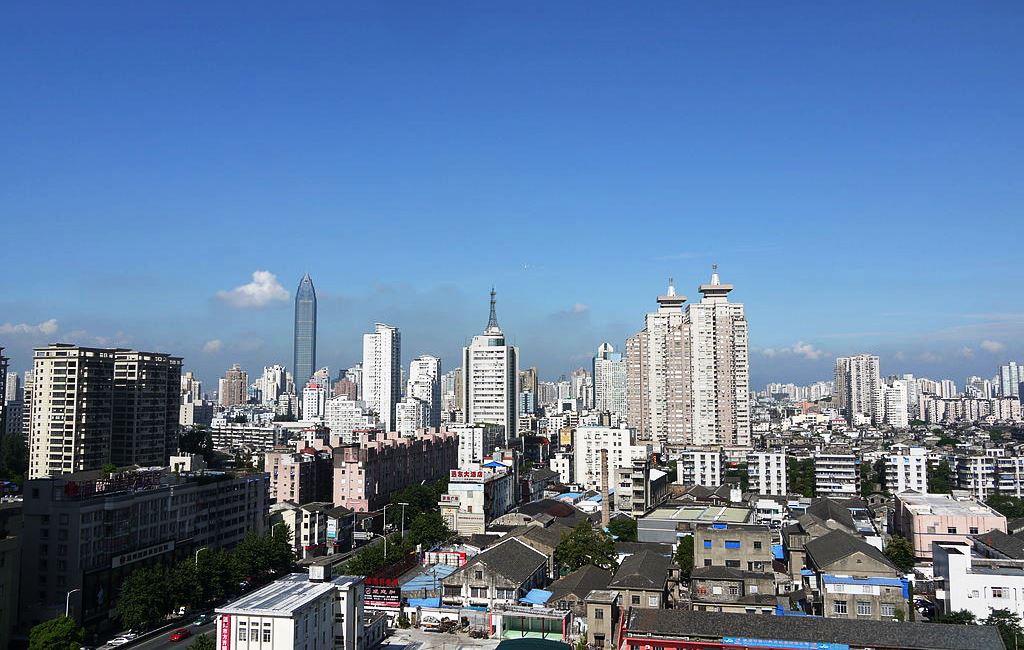
It stands to reason, we guess because everyday places are locations people visit more often. And that in turn makes an infection more likely in any crowd. Salt Lake Tribune’s scribe Andy Larsen delved deep into the spike in the shopping mall in Wenzhou, China affecting thirty-four people.
Of those thirty-four people, sixteen were females. Some of them worked in offices, while others shopped on the third floor. One was a restroom cleaner. Andy Larsen suspects the spike occurred in the third floor female bathroom. It’s an intriguing theory tracing the coronavirus to everyday places like that. However, it is a rare example of this type of infection if indeed it happened at all.
What We Can Take Away from This Story and Learn
People don’t spend a long time in public restrooms as a rule. They are also unlikely to speak to each other when they are there. Their shorter stay reduces the likelihood of picking up a significant dose of the virus. Although there may be risks from contaminated surfaces if we touch them to our faces.
We chase a moving target with the SARS-CoV-2 virus causing the COVID-19 pulmonary disease. Tracing the coronavirus to everyday places is becoming a never-ending story. It will be evolving to protect itself, although we have no history to compare.
What we do know is Centers for Disease now regards surface transmissions less likely than droplets in the air. We need to be ever-careful of this. And yes, we have to wear our face mask when we visit the restroom too.
Related
Covid-19 Transmission in Meat Packing Plants
Super Spreading and K Factors of Dispersion
Preview Image: City View of Wenzhou, China