The Covid Virus inhabits the mucus which many of our body functions produce. Therefore it is present in our body secretions, although cross infections are via tiny droplets in our coughs and sneezes. The virus can’t live forever outside its host. It must either enter a new one, or wither and die. Knowing how long a Covid virus survives on surfaces could thus be a critical success factor in preventing infections.
Montana Scientists Discover How Long a Covid Virus Survives
Virologist Neeltje van Doremalen and her colleagues at US National Institutes of Health in Hamilton, Montana have made a breakthrough. They have studied how long a Covid-19 virus survives outside a host and produced most interesting findings.
Tiny droplets of the virus thirty-times-smaller than human hair thickness may survive for several hours in still air and we could breathe them in. However, they settle sooner on a surface when the air is circulating, they say. At that point their survival depends on the nature of that surface. By way of examples Coronavirus strains remain active for 24 hours on cardboard, but several days on plastic and steel.
The Implications of These Findings for Everyday Life
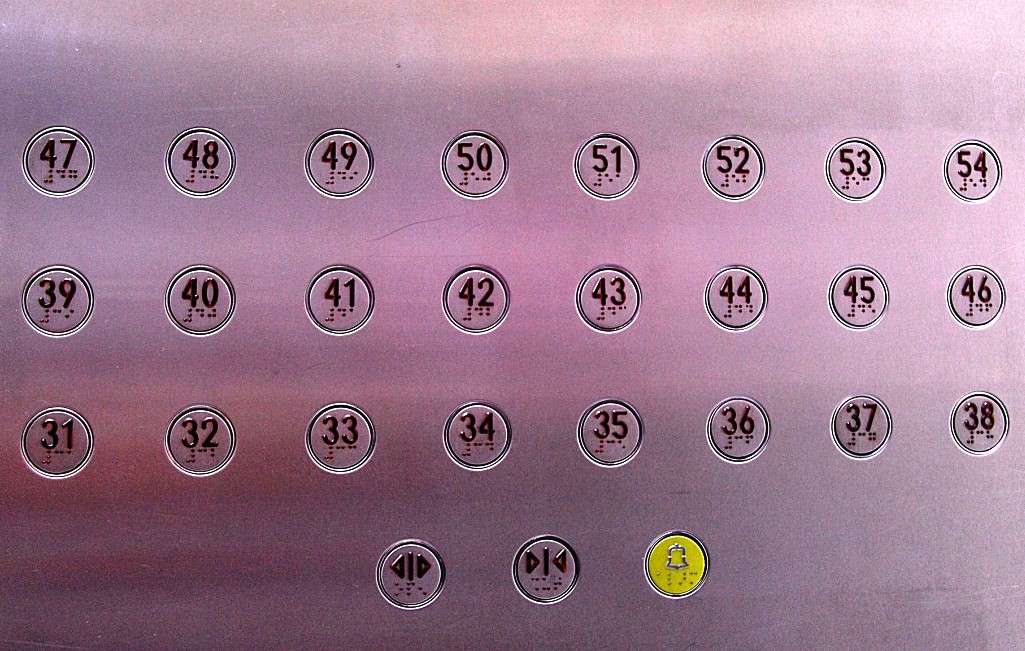
This discovery suggests door handles, laminated worktops, phones and a variety of other devices can pass the infection on via fingers. However, a report in Science Direct indicates disinfecting surfaces with 62-71% alcohol deactivates them. A 0.5% hydrogen peroxide bleach, or household bleach containing 0.1% sodium hypochlorite has a similar effect according to Richard Gray writing in Future.
Before we rush off and clear the supermarket shelves, Centers for Disease Control says relatively few infections happen that way. We are far more likely to catch it from an infected cough or sneeze. This makes how long a Covid virus survives on surfaces not quite as important as we thought.
Related
Median Incubation Period of Covid-19 Virus
Covid-19 Was Like a Bomb Says Italian Prof
Preview Image: Elevator Control Panel