

Covid-19 is proving more persistent and infectious that we have known before. Just when we think we have it licked, it snaps back again. The double bind of the coronavirus is proving a two-edged sword. We can control it by shutting down economies. But for how long can we do this before millions more people die in developing countries?
Western Nations Face the Double Bind of the Coronavirus Crisis
Will the West learn any lessons from what’s happening in Asia, CNN World News asks on May 11, 2020. Singapore is a stark reminder of what happened after they relaxed their lock down too soon. Wuhan is a test tube of what can rebound after a 72-day deep freeze.
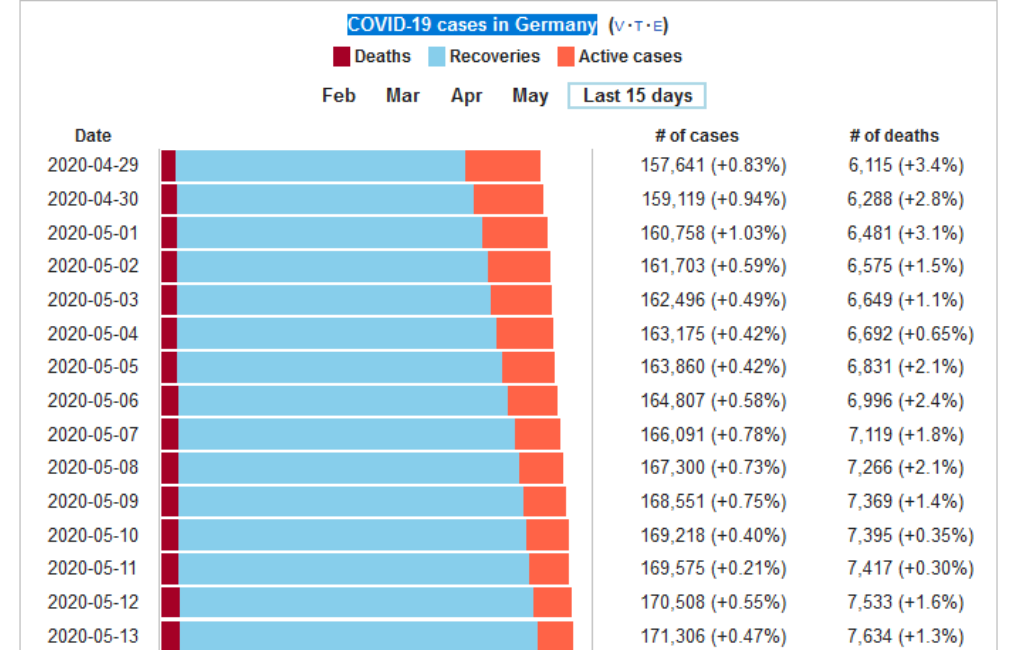
South Korean President Moon Jae-in ruefully said ‘it’s not over until it’s over’ after a spike in a red light district. Germany felt the chilling wind of the double bind of the coronavirus after its infection rate jumped immediately as it relaxed restrictions. Is science giving way to politics again?
Is Science Giving Way To the Politics of the People?
Politics is how we organize our society to make it the place where we want to be. Governments only stay in power for as long as they achieve that purpose. There are indications science’s influence is crumbling.
Everywhere we look opinions are deeply divided over the double bind of the coronavirus, and how to deal with it. Societies are splitting along centuries-old fault lines again. CNN World News says the West’s biggest problem is it reacted to the pandemic too little, and too late.
So what do we do now, while our infections stretch beyond our worst initial predictions? Do we say let’s go for it and re-open our economies. Or do we watch them wind down while the people still die? The answer is trending towards a long-term compromise.
Related
Leaving Lock Down, the Anxieties Return
Before We Return to the Office, Read This
Preview Image: Covid Cases in Germany


