

Researchers at John Hopkins Medicine are searching for new ways of understanding, treating and curing COVID. Full, peer-reviewed details are not yet available. However, it’s becoming increasingly clear there’s a way to go with rehabilitation treatment after the event. Johns Hopkins rehab physician April Pruski compares this to the situation after the 20th century polio outbreak.
Hundreds of Patients Require Extensive Rehabilitation Services
Most people who had polio survived. But their polio debilitated them and they needed rehab, April Pruski explains. The coronavirus pandemic is generating a similar need for rehabilitation specialists. ‘We’ve learned this is much more than just a respiratory or pulmonary disease,’ she says.
She has a point. We can’t just tell people, you’re cured get over your COVID. Some John Hopkins patients have physical, mental and even cognitive aftershock, and these can linger and require support.
This is not a simple, in-out situation either. John Hopkins Medicine has a team of physical therapists, occupational therapists, speech-language pathologists, rehabilitation psychologists, neuropsychologists, and physical rehabilitation experts. And their task of working side-by-side with acute-care medical teams, begins while their patients are still in hospital.
Understanding, Treating and Curing COVID in Practice
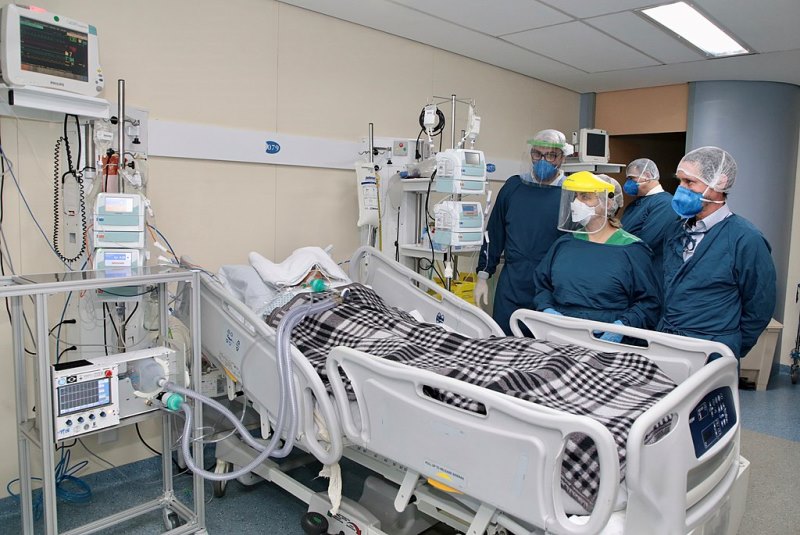
COVID patients on mechanical ventilators, spend more time on them than other cases. This can further injure their lungs already damaged by their acute respiratory distress syndrome. April Pruski finds an unprecedented 60% to 70% of them require care from the hospital’s physical medicine and rehabilitation department.
This is eating away space they previously set aside for medical procedures, and compounding pressure on resources. That’s especially because some rehab patients are still contagious. ‘There was so much we did not know about understanding, treating and curing COVID when this started,’ the rehabilitation physician laments. ‘Nowadays I feel safer working in the hospital, because we know where the virus is and how to avoid it.’
Related
Facing Up: The Other Type of COVID Fatigue
COVID-19’s Persistent Shortness of Breath
Preview Image: Patient Receiving Invasive Ventilation


