Electricity is our constant companion, yet as consumers we know little about it. This may be since it is invisible, or perhaps we are a little technology shy. Things we can see are easier to comprehend. Take water for example. We can easily compare the volume and flow of water in a river to a stream. The water flow analogy helps us to do something similar in our minds with electricity.
The Water Flow Analogy Using Pipes

Utilities like to store water in elevated positions higher than our homes. That way, they can deliver it under pressure without using pumps. Batteries are also storage devices. Their potential is equivalent to the head of water in the reservoir. When we connect battery terminals via a device, we cause a current flow. Something analogous happens when we open a tap in our home.
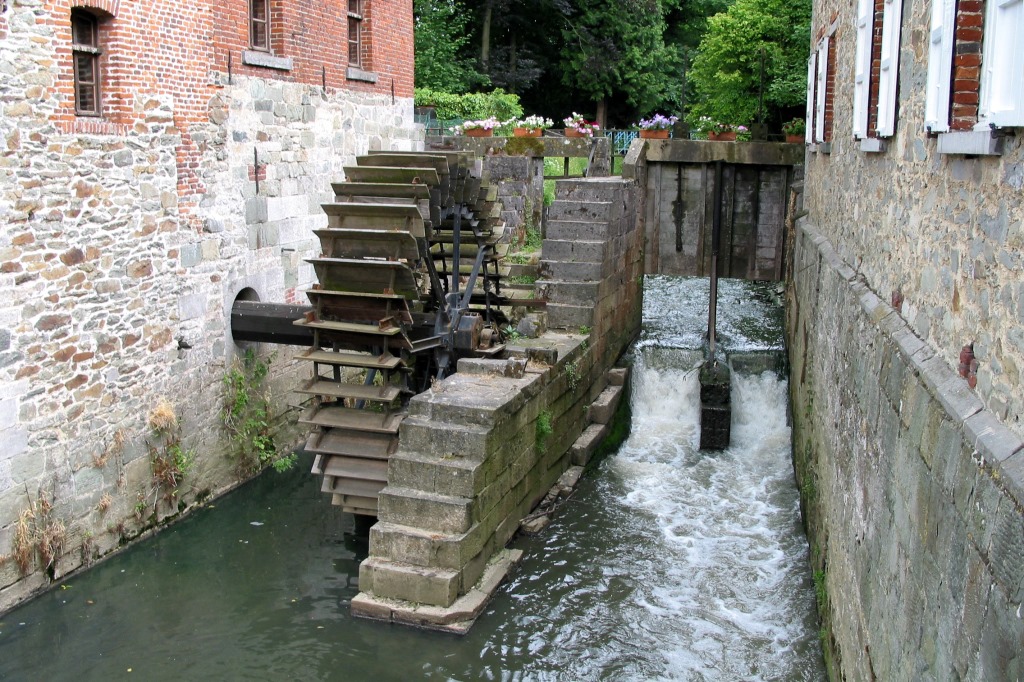
Of course, the quantity of water coming from the tap depends on the narrowest diameter through which it passes. This is why bath taps are bigger than shower taps. We can compare an electric charge to the quantity of water flowing.
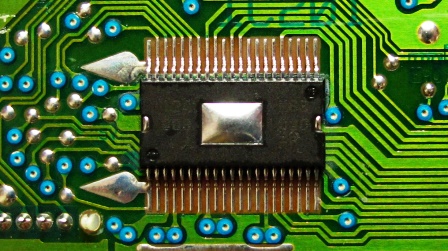
Continuing with the water flow analogy none of this is possible without the pipe through which the water flows. Electric wires and cables likewise allow energy to flow. We can restrict the potential flow of water when we open a tap slightly perhaps to rinse a toothbrush. Resistors do a similar job by supplying less electricity to delicate items on a printed circuit board.
More Revelations are Coming Soon
We plan to continue explaining electricity basics in the next few posts that follow. We want to know more about the watts and volts in our batteries. Have you heard about amperes and joules? We created this series to help you become an electricity expert. That way, when you purchase batteries you will understand their labels better. And all because the water flow analogy helps us understand how electricity works.
Related
What is an Electric Current? A Simple Explanation
Preview Image: PCB Water Flow Analogy