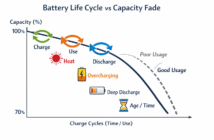
Electric cars are not a new idea. They were already appearing on city streets more than a century ago. Their problem was not the electric motor. It was because the electric vehicle batteries failed too soon.
Early Electric Vehicles Depended On Lead-Acid Batteries
Early electric vehicles typically depended on lead-acid batteries. These could provide useful power, but they were heavy, required maintenance and limited how far a car could travel between charges.
Edison Spotted The Problem In The Early 20th Century
Thomas Edison recognised the problem. Lead-acid electric vehicle batteries failed too soon.During the early twentieth century he spent years developing a rechargeable nickel-iron battery specifically with electric vehicles in mind.
Edison wanted something lighter and longer-lasting than the lead-acid batteries then available. The Edison battery eventually became commercially viable and was used in electric vehicles including the Baker Electric and Detroit Electric.
Battery Development In a Rapidly Changing Energy World
But battery development was taking place in a rapidly changing gasoline automobile industry.Petrol-powered cars could travel much farther between refueling stops. Filling stations gradually became more widely available, while electric-car owners still needed access to electricity for recharging.
Problem Returned Later With General Motors’ Ev1
The problem returned many decades later. The General Motors’ EV1 of the 1990s demonstrated that a sophisticated electric car could be built. But the first generation used lead-acid batteries and had a limited range. The second generation used nickel-metal hydride batteries and achieved greater range.
These examples show why battery life and range cannot be separated from the success of an electric vehicle. A car may have an efficient motor and excellent engineering, but the battery determines how much energy it can carry and how often it needs recharging.
Early electric vehicles therefore did not simply disappear because electric motors were unsuccessful. Their batteries had not yet reached the combination of range, weight, cost and convenience that motorists expected.
More Information