Where are lithium thionyl chloride batteries mostly used? Well, lithium thionyl chloride batteries are specialist power sources designed for equipment that must operate reliably for many years.
Unlike ordinary household batteries, they are rarely in everyday consumer products. Their main advantage is their ability to provide a steady supply of electricity over long periods without needing replacement.
One Important Application Is Utility Metering.
One important application is electricity and water metering. Modern utility meters increasingly use electronic monitoring and wireless communication.
Many are in locations where replacing batteries regularly would be expensive or inconvenient. Lithium thionyl chloride cells can keep these meters operating for many years.
They Are Also Widely Used In Remote Monitoring
So where else are lithium thionyl chloride batteries used? They are also quite common in remote monitoring equipment. Agricultural sensors, environmental monitoring stations and industrial instruments often operate far from buildings or reliable electricity supplies.
These devices may measure temperature, pressure, water levels or other conditions and transmit information automatically.
Security Systems Provide Another Important Application
Security systems provide another important application. Wireless alarms, tracking devices and remote sensors need dependable power, particularly when they are installed in places that are difficult to reach.
The long storage life of lithium thionyl chloride batteries makes them suitable for standby equipment.
Other Uses Include Electronic Toll Collection
Other uses include electronic toll collection, vehicle tracking, medical monitoring equipment and certain military and aerospace applications. In some situations, these batteries provide emergency or backup power when other electricity sources fail.
Their Value Comes From Several Characteristics
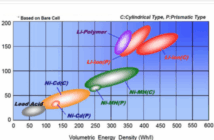
Their usefulness comes from several characteristics. They have a high energy density, a nominal voltage of approximately 3.6 volts and an exceptionally low self-discharge rate. They can therefore remain idle for long periods and still retain most of their stored energy.
Lithium thionyl chloride demonstrate that the best battery is not necessarily the one that can deliver the most power. Sometimes, the most valuable characteristic is the ability to supply a small amount of electricity reliably for years.
More Information