Let’s chat about high lithium thionyl chloride density. Lithium metal is particularly useful because it can release electrons while forming lithium ions. Malathion chloride serves as an active material in the discharge reaction and is also part of the liquid electrolyte.
This Arrangement Allows a Large Amount Of Energy
This arrangement allows a large amount of chemical energy storage. Without requiring the same type of bulky electrode structure in some other battery chemistries. A typical cell has a nominal voltage around 3.6 volts, which also helps provide useful energy from a single battery.
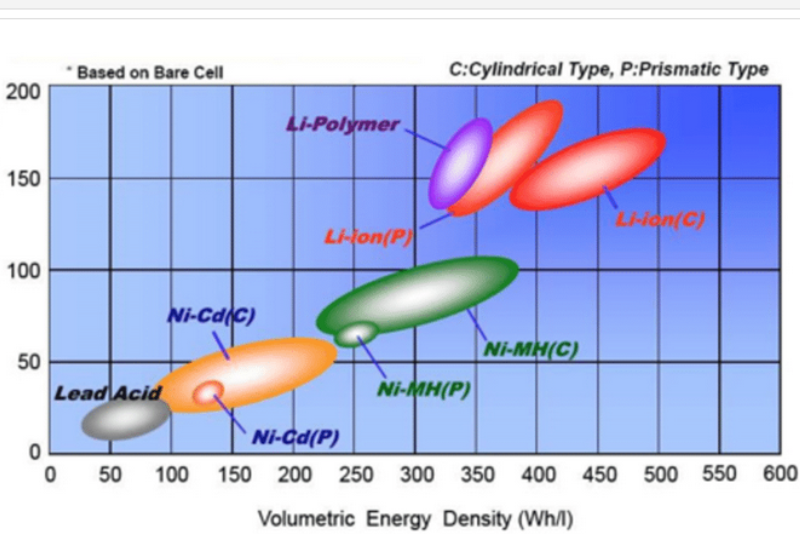
High lithium thionyl chloride density is especially valuable when equipment must be small, light, and left operating for years.
A Compact Battery With Low Self-Discharge
Utility meters, remote monitoring systems, security devices, tracking equipment, and industrial sensors work in places where battery replacement is inconvenient or expensive.
A compact battery with low self-discharge can power these devices for a long time without taking up much space. However, high energy density does not mean that every cell can deliver a large current.
Steady Current Versus Repeated High-Power Bursts
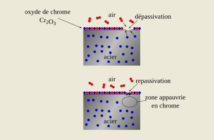
Some lithium thionyl chloride designs are optimized for low, steady current and long life, rather than repeated high-power bursts. Passivation can also temporarily limit voltage when a stored cell is first asked to supply current.
Designers must check the cell’s pulse capability, operating-temperature range, and voltage under the real load. The chemistry has important safety requirements. Lithium thionyl chloride cells are primary batteries, not rechargeable lithium-ion batteries.
They Contain Reactive Lithium And Corrosive Electrolyte
They contain reactive lithium metal and corrosive electrolyte, so they must not be recharged, opened, or exposed to fire. The main benefit is a combination of compact size, high stored energy, and low self-discharge.
When the application suits the cell’s current demands and safety limits, that combination can provide dependable power over many years. Energy density differs from power: energy is the amount stored; power is how quickly it is delivered.
More Information