Battery cell formats have changed hugely down the years from the early 1700’s, when the first electric batteries were purpose-made in glass jars and wooden boxes. Standardization became possible in 1917 with the development of the sealed cylindrical cells popular in radios and torches. The National Institute of Standards and Technology is responsible for the following naming conventions.

This order fell apart after lithium-ion manufacturers went in different size directions when they were unable to agree. Naming conventions for ‘big’ car batteries vary according to North American BCI, European DIN, and Japanese JIS rules. Manufacturers follow the same sizes though. They have to, or their products will not fit the cars.
The earliest disposable portable battery cells used carbon zinc, with alkaline and nickel cadmium following in the 1960’s. Lithium emerged in the 1990’s to meet the demand for greater compactness in cell phones and computers. Cadmium ceded its position to lithium-ion. Lithium batteries have the greatest electrochemical potential, which means more power in a smaller package. Hence, they are common in home electronics.
Demand continues unabated for primitive carbon zinc and alkaline cells because they are simply cheaper. Here is a handy summary to help you tell the difference.
- Carbon Zinc – Long shelf life, entry-level, low capacity device for clocks, radios and remote controls, often labelled ‘general purpose’
- Alkaline – Long shelf life, more power, more expensive, prone to leaking and damaging electronics, popular brands are Rayovac, Energiser, Duracell.
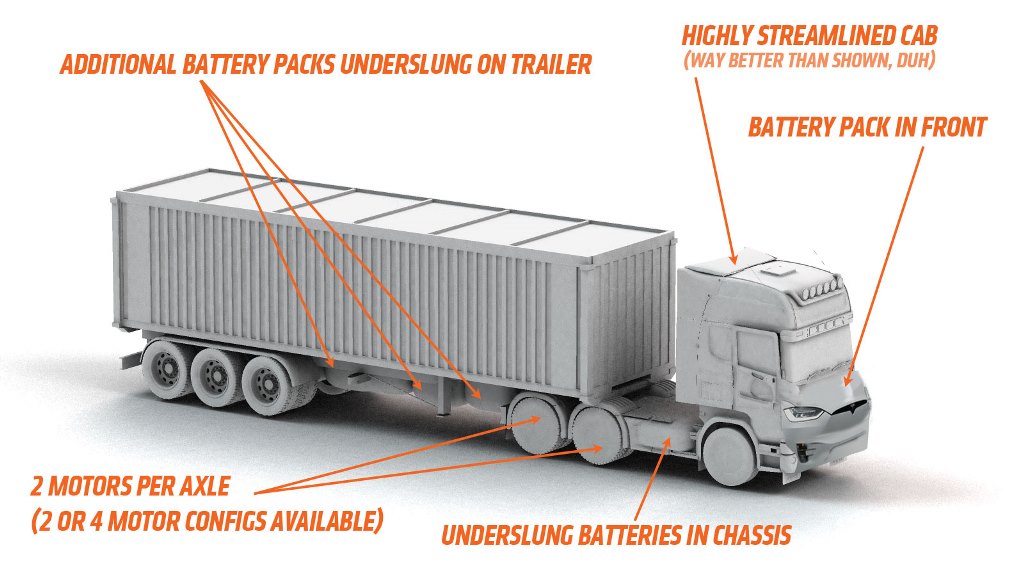
Tesla has changed its specification for its lithium-ion batteries from 18650 to 21700, meaning they will be 21 mm in diameter and 70 mm long. If these prove successful, Panasonic may become the sole supplier of batteries for their Model 3, the future Model Y’s, and the Tesla Semi that may look this.