


The impact of losing vast swathes of forest in the Amazon and elsewhere may be more serious than we thought. A fresh study has found the world’s lost tropical forest decreased by an area the size of Spain between 2000 and 2013. This is approximately 20% larger than California to give you an idea of scale of the loss.
More Carbon Releasing from Worlds Lost Tropical Forest

The study co-author from New York-based Wildlife Conservation Society Tom Evans, is deeply concerned. That’s because the estimated carbon loss is set to grow six times the previous estimate through to 2050.
After the first round of damage by destroying the forest itself, he explains, more emissions follow because the ground is open to the sky. He compares the world’s lost tropical forest to an injury at work that results in lost income in future. That’s because the lost trees are not only unable to absorb carbon dioxide from the air any longer. They also release the carbon they stored previously when they burn or rot away.
The Knock-On Effects of Indiscriminate Logging
Opened-up forest provides easy access for further destruction. Moreover, a surge in hunting destroys wild creatures that spread seeds and help with forest regeneration.
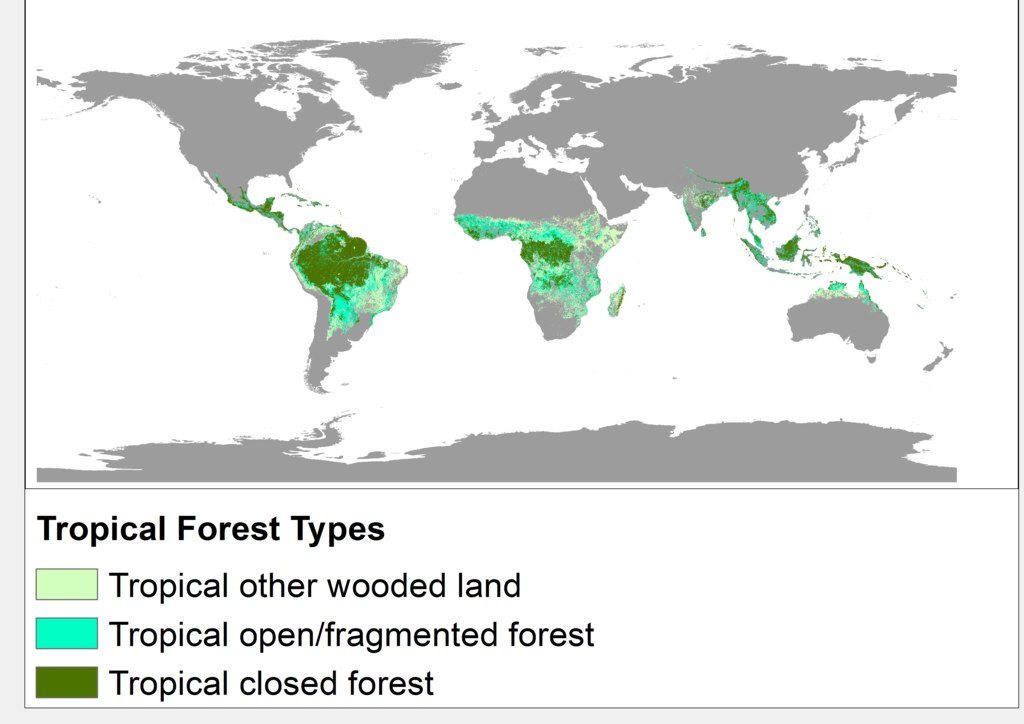
Other ongoing damage in the worlds lost tropical forest includes more grazing, and human activity reducing carbon stocks further. Tom Evans told CNA news that carbon accounting tends to overlook these knock-on effects, and therefore understates how serious the situation is. The study lead-author, Sean Maxwell, a scientist with Australia’s University of Queensland is deeply worried.
“There is an urgent need to safeguard these landscapes because they play an indispensable role in stabilizing the climate. Our results reveal continued destruction of intact tropical forests is a ticking time bomb”.
Related
Last Antarctic Forests Are a Somber Warning
How Deforestation Started Climate Change
Preview Image: Rainforest in Borneo (T. R. Shankar Raman)


