

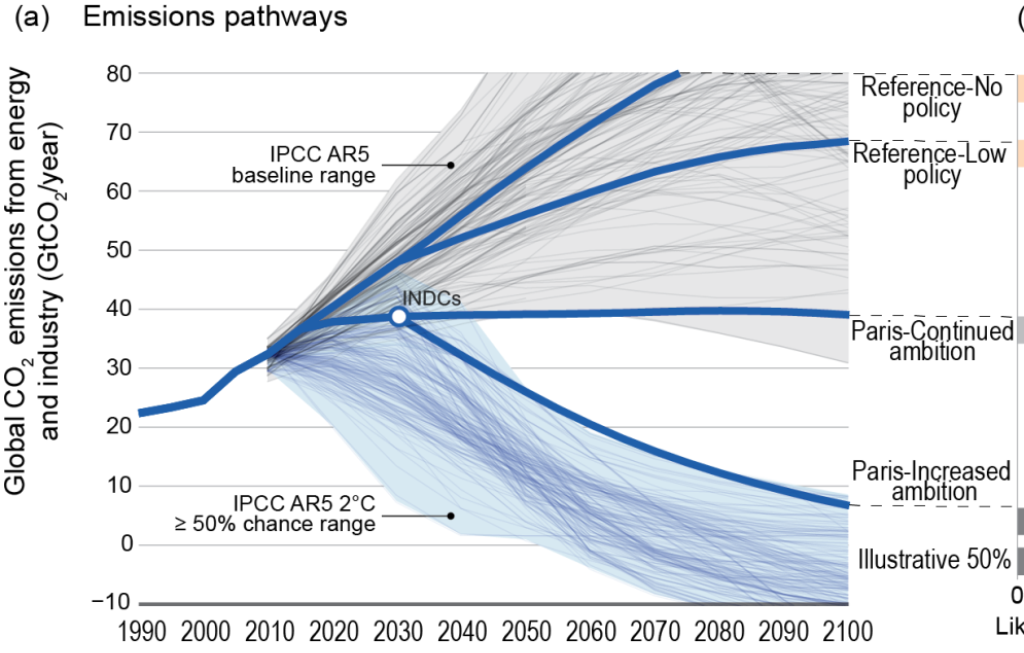
The worst-case climate change scenario by the Intergovernmental Panel on Climate Change says Earth will warm massively over eighty years. It predicts average global temperatures rising 9 ºF / 5 ºC by the end of this century. However, a group of concerned scientists say this is unnecessarily negative. We should rather plan for the most likely outcome they say.
The Worst-Case Climate Change Scenario Appears Improbable
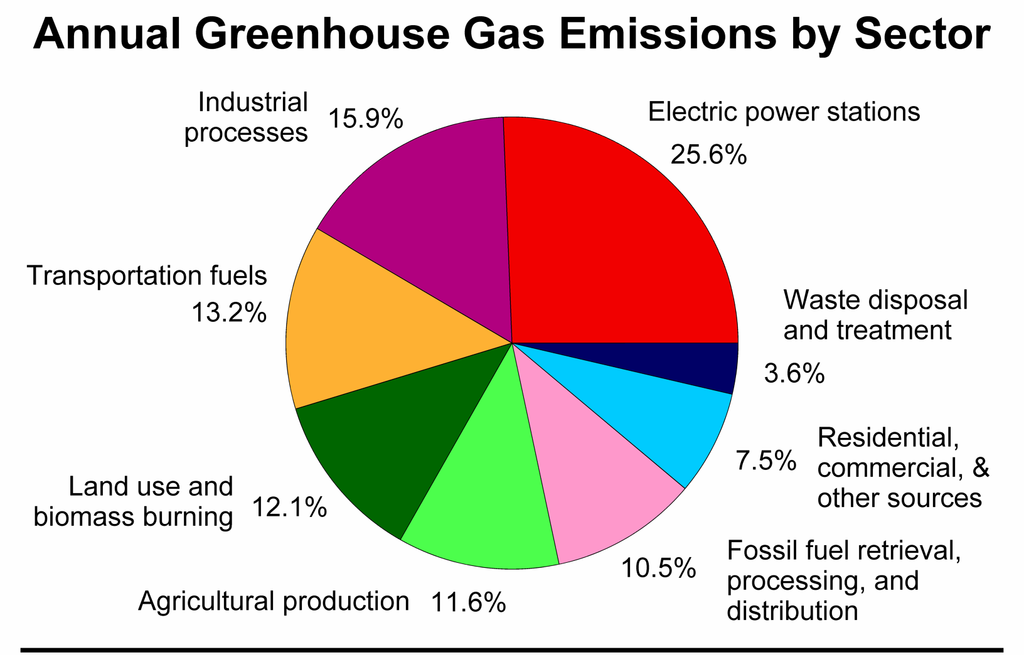
Zeke Hausfather, climate scientist at University of California, Berkeley, says the worst case assumes a 500% increase in coal use by 2100. This is highly unlikely he explains, given falling green energy prices. Therefore, a 3% possibility does not justify assuming the worst-case climate change scenario is the most likely outcome.
Despite this high degree of improbability, the ‘doomsday scenario’ still dominates a significant amount of scientific research. This is despite the projection dating from 2005, and coal use peaked and then flattened in 2013. US Today confirms what Zeke Hausfather told BBC on January 29, 2020. In a nutshell, the ‘disastrous prediction’ is very likely not going to happen.
However Fossil Fuel Emissions are Still Deeply Problematic
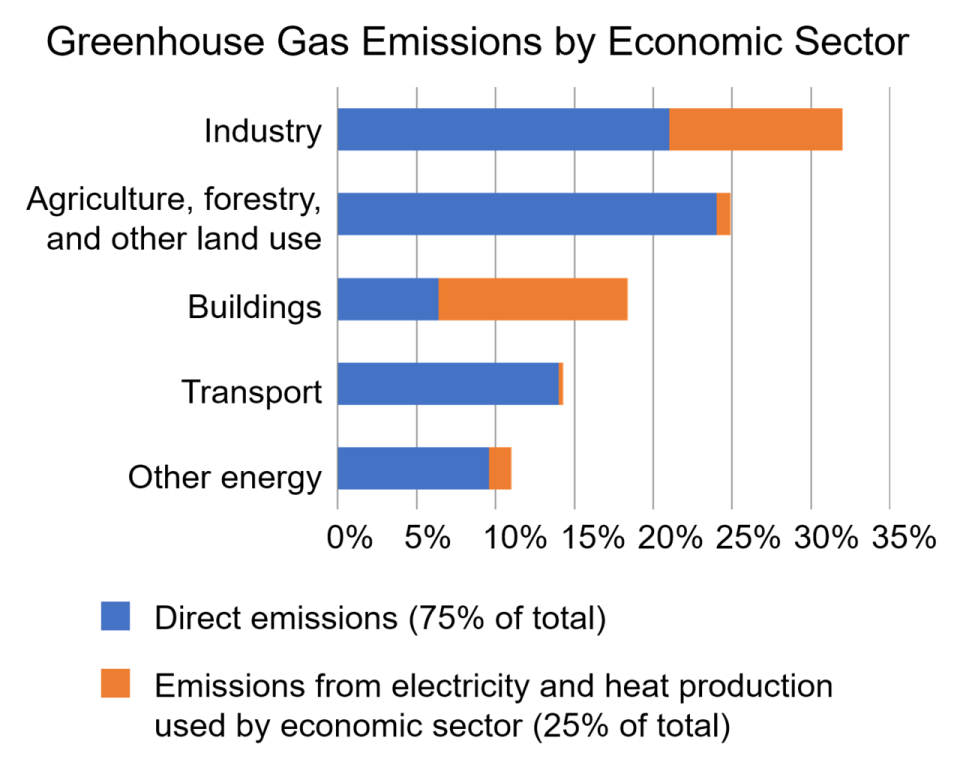
Glen Peters of Center for International Climate and Environmental Research, Oslo warns the high end impacts are still a concern. That’s the point we want to make, he explains. Human-induced climate change is still a major threat, with the world heading for 5.4 ºF / 3 ºC by 2100.
If this lower, but still gravely serious threat materializes, then coral reefs will vanish and deforestation will change the Amazon rain forest to savanna. Do you think those scientists are right to downgrade the danger to an extent? This should at least diffuse criticism the worst-case climate change scenario is over the top.
Related
Could Electric Vehicles Become Grid Storage
Will Renewable Energy Close Yallourn Unit W?
Preview Image: Climate Change Projections


