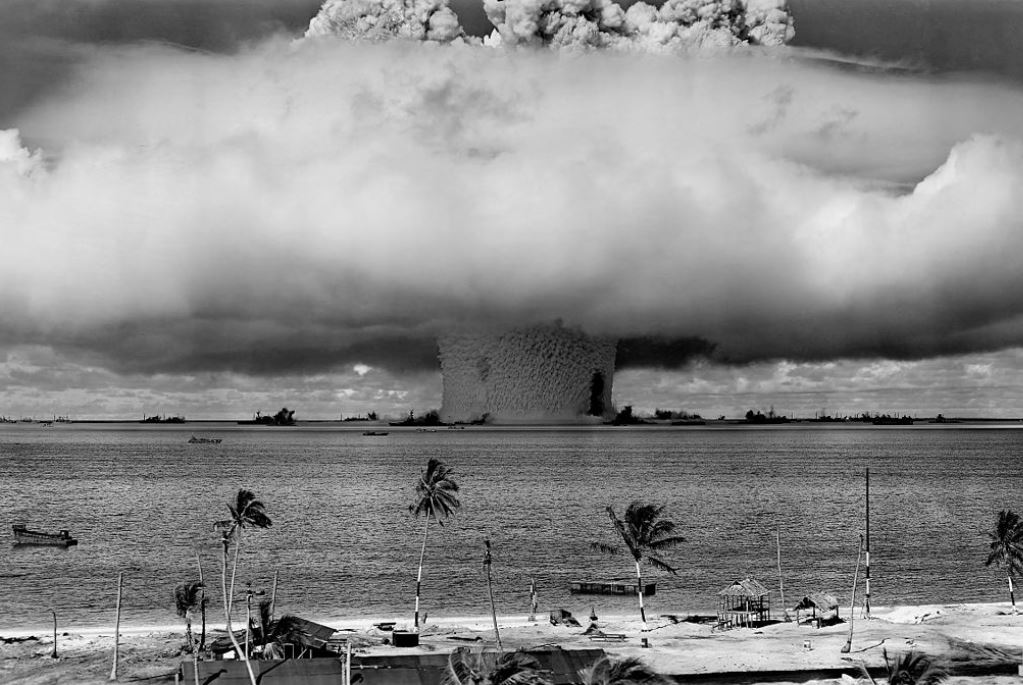
A client wrote the other day and asked whether the Cold War nuclear tests accelerated global warming. According to Science Direct, they had the opposite effect. They say the atmospheric nuclear explosions caused a ‘not insignificant global surface temperature drop’ by distributing fine dust in the atmosphere. Global warming slowed between 1945 and 1980 as a result. FutureNow wonders would brighter clouds reflect back the sunlight too.
If a Super Volcano Did This, Would Brighter Clouds Follow Suit?
The 1991 eruption of Mount Pinatubo in the Philippines spewed unimaginable amounts of dust into the atmosphere. FutureNow explains this “spread into a lazy haze covering much of the globe.
“During the following 15 months, scientists discovered a second surprise. This particle cloud had formed a protective sun-shield, reflecting a significant proportion of the sun’s rays back into space.” The average global temperature fell 1.08º F. Scientists are wondering could we do this on purpose. If we deliberately produced them, would artificial clouds reduce global warming?”
How Would These ‘Artificial Clouds’ Work?
We understand we need to reduce greenhouse gas emissions that are trapping solar heat under the atmosphere. We also know about 30% of this reflects back off white surfaces, mainly polar ice. However this resource is dwindling owing to global warming.
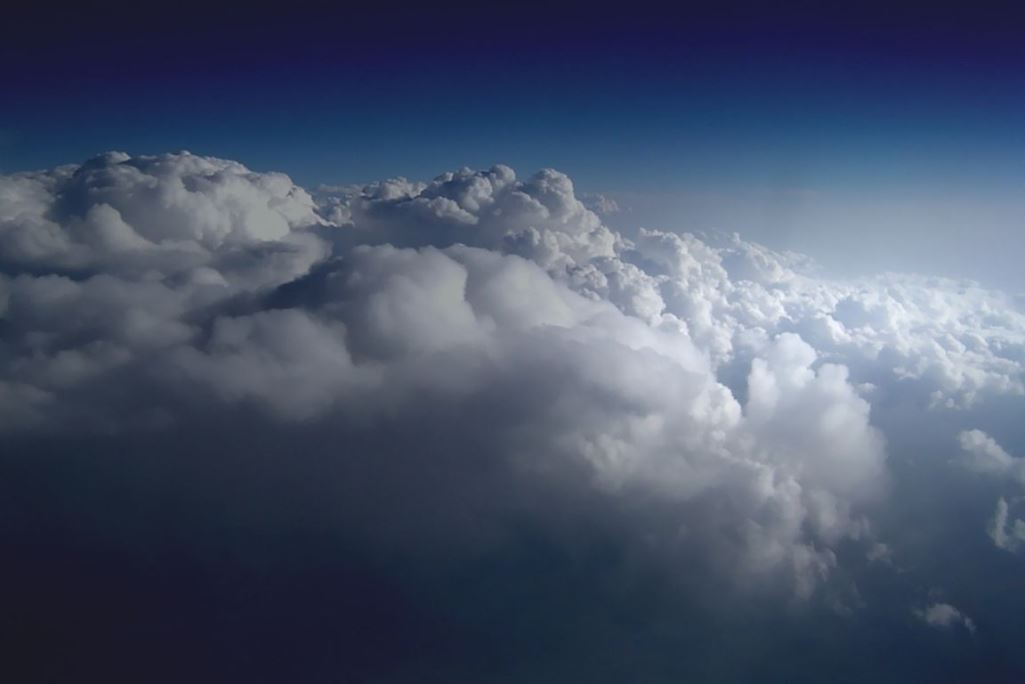
Marine stratocumulus clouds covering around 20% of Earth reflect a further 30% of solar radiation. If we could boost this, we could be on to a good thing.
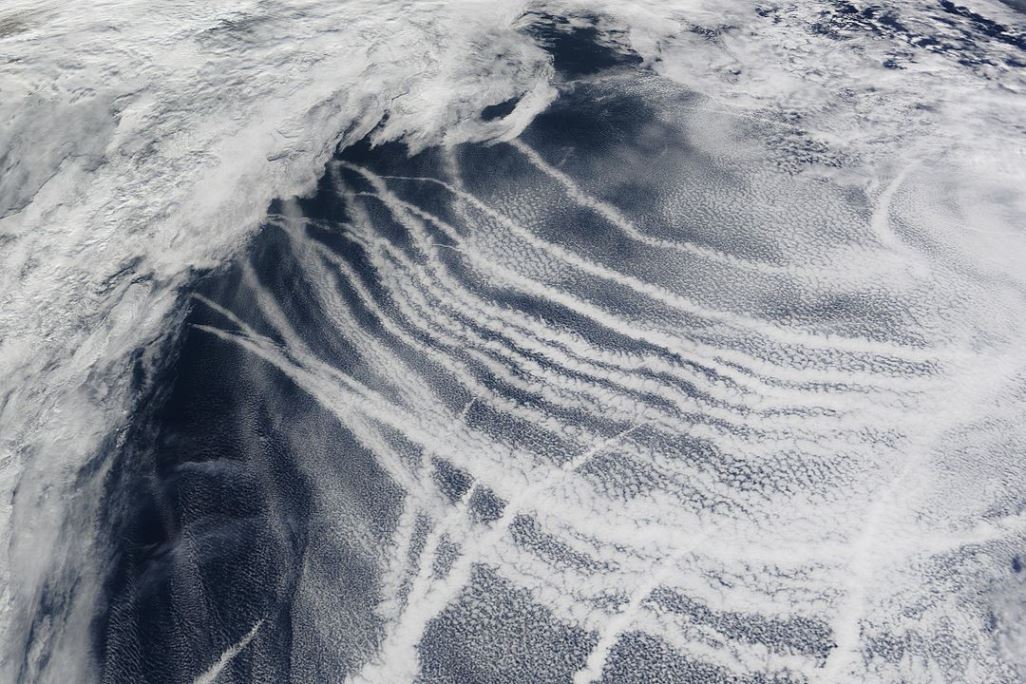
Scientists have noted that pollution trails shipping leaves behind brighten the clouds above. This is because they attract ‘condensation nuclei’ that water vapor envelopes.
These water droplets are smaller than usual, and apparently whiter and more reflective. Therefore, if we had enough ships to spray a mist of sea water upwards we could potentially outmaneuver El Niño. We could also stop hurricanes and encourage polar sea ice to return, they say. This sounds far-fetched but we thought we’d mention it in case it turns out significant.
Related
Lithium Li What You May Like to Know
Arctic Region Under Threat from Shipping
Preview Image: Baker Shot, a Nuclear Test by the US