We really could not do without batteries, could we, because without them our internet-connected devices would not work. And so we overlook the inherent dangers of faulty lithium-ion batteries in our desire for instant gratification. Most battery suppliers brush the reality of 40% of nasty landfill chemicals from batteries under the carpet. But not here at UPS Battery Center.
Lead-Acid Battery Chemicals Seldom End Up in Landfill
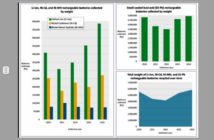
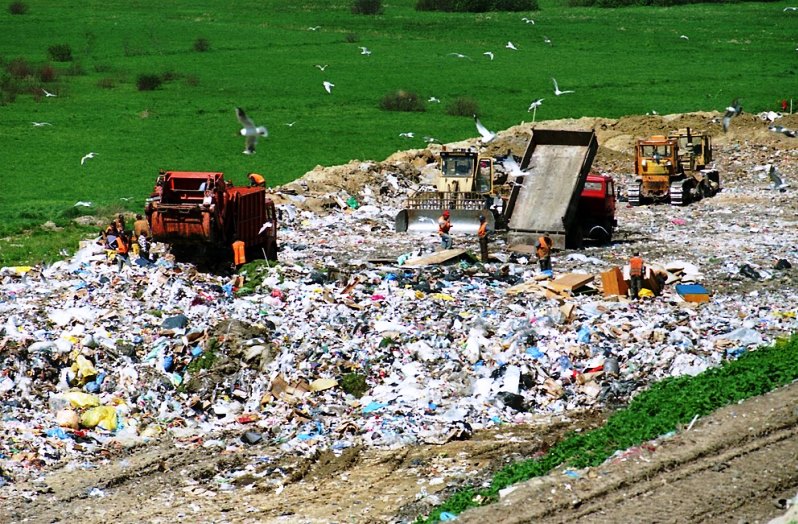
Some 99% of lead-acid battery materials are recycled according to Battery Council International, as attested to in the link below. However, elsewhere Financial Express confirms that 40% of nasty landfill chemicals from batteries, other than from lead-acid batteries, end up being buried with regular trash.
The following chemicals could lie on and beneath Earth’s surface as a result, potentially forever with alarming consequences:
- Mercury, cobalt, lead, nickel, and zinc are constituents of many battery types. As battery cases corrode, these toxic substances can filter into soil and groundwater, enter our food chain, and end up in our bodies.
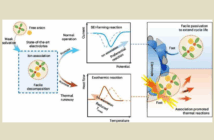
- Highly reactive lithium metal that is oxidized can emit a heat reaction under adverse circumstances. This reaction can result in fire or explosion, and emit environmentally harmful fumes from damaged batteries.
Nasty Environmental Consequences of Poor Battery Disposal
This harsh reality that we may never see, extends its tentacles far beyond landfill sites into our personal lives:
- Contaminated groundwater can cause blurred vision, diarrhea, abdominal swelling, kidney damage, and neurological disorders among those who regularly drink it.
- Refined metals that end up underground can contaminate plants. These chemicals can then enter our food chain if we drink the water, or consume contaminated farm produce.
- Fires from damaged batteries can release particulate matter and toxic fumes. These fires can smoulder on for years, and cause pulmonary diseases, lung diseases, and cardiovascular diseases in people.
We, all of us must face the reality of 40% of nasty landfill chemicals from batteries. The only way to prevent this continuing is to hand spent batteries in for recycling, as is the case with lead-acid ones. The time to start doing this, don’t you think, is surely right now?
More Information
Lithium Batteries Cause PFAS Substances
No Batteries in the Garbage Says Seattle