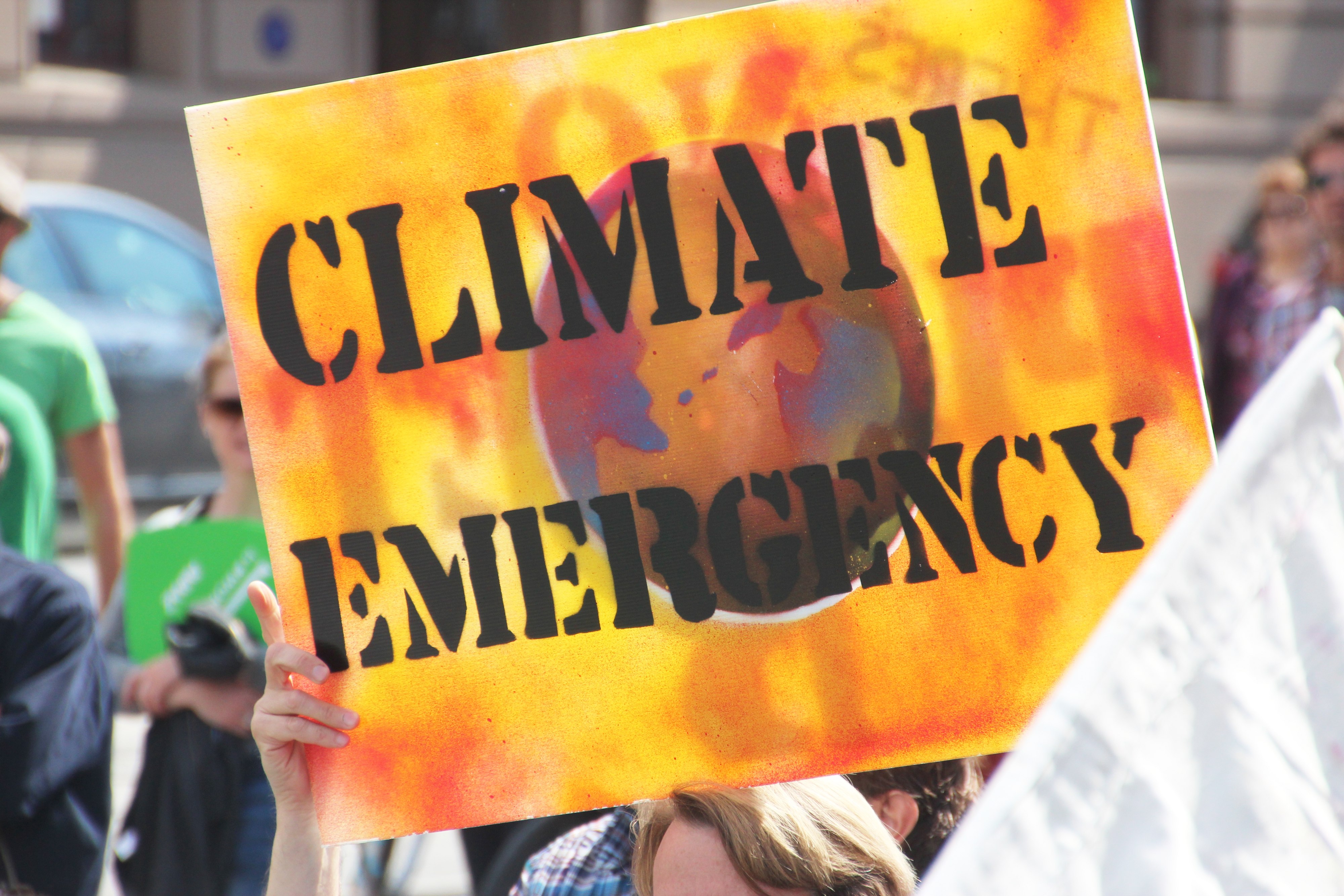
There is no doubt that Climate Change is happening and there is definite action being taken in a number of ways to try and combat it. There are many side effects to Climate Change such as sea levels rising, global warming, and more frequent and severe natural disasters. In this post, we list two of the most formal and popular responses to these types of issues: Adaptation and Mitigation.
Adaptation
This method is when people start making changes that help societies adapt and adjust to new realities. Adaptation methods are short term solutions that come in two types:
- Anticipatory Adaptation: This is where actions are taken in anticipation of a certain event because you know that it is inevitable. For example, in order to protect against sea levels rising and causing floods in cities/islands that are too close to the waterline, sea walls get built.
- Reactive Adaptation: This is when actions are taken in reaction to the events that occur. For example, buying an Air Conditioner would be a reaction to the rising temperatures.
Mitigation
When using the method of mitigation, you’re essentially trying to slow down/lessen or stop the effects of a given process. In this context, it would mean trying to lessen the levels of greenhouse gases thereby lessening the effects of Climate Change. Mitigation is the more longer term option as you make investments now that solve the issues for the long term rather than just for a short term. Examples include:
- Stopping deforestation & planting more trees that take in more CO2.
- Switching from fossil fuels to cleaner energy sources such as wind, solar…etc.
If you’d like, check out this short informal video about Adaptation & Mitigation to learn more:
Issues
While both methods provide optimism and hope in regards to Climate Change, they still have issues. For example, with Adaptation, the problem is that it is a short term solution. This is like putting a bandaid on Climate Change rather than trying to get to the root of it. This is why Mitigation could be seen as a better option. However, the problem with mitigation is that it is expensive. Putting in plans and initiatives that help in the long term sounds great but you have to put a large investment at first. A lot of governments & people are not willing to pay so it poses problems. Having said that, there is a large movement of environment-caring people who push for these initiates so there is hope after all!
After learning about the two methods, which one do you agree with the most? Let us know in the comments below!
& while you’re here, check out other many other posts on Climate Change on our blog!
Related: