Lithium-ion batteries dominate the battery market. They are affordable, reliable, and effective. But is this efficiency making us complacent? If so, solid-state lithium could be the newest innovation in battery technology to give us what we never knew we wanted.
It’s experimental and timely, given Tesla’s impressive battery resume. They’re setting high standards, and showing us what batteries are capable of. Experimental technologies like solid-state lithium might be necessary then. Perhaps we are spoiled by endless innovation and the need for speed. Either way, it’s important that solid-state lithium batteries can stand up to their current hype.
What Makes Solid-State Batteries Unique?
They use a thin film installation process. This is a method that’s often used to produce things like display screens and solar panels. The goal is to produce low costing batteries that maintain long and safe battery life. Most importantly, this technology wants to provide double the energy density of today’s standard electric car.
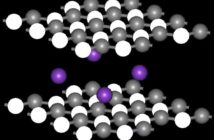
So what is a solid-state battery, exactly? Quite simply, it is a battery that uses both solid electrodes and solid electrolytes (hence, the term ‘solid’). Traditional lithium-ion batteries use liquid or polymer electrolytes.
Solid-State versus Lithium:
Solid State: higher in cost. Higher in energy storage. Lighter, Noflammable. Performs well at high temperatures.
Lithium-ion: Less expensive. Low energy storage. Heavy. Flammable. Lower battery life under higher temperatures.
Sure, solid-state lithium sounds impressive (and it is), but it might be ahead of its time — and price.
The Problem With Standard Lithium-Ion:
Lithium-ion batteries are great, but they also have their shortcomings. While they have come a long way since they were first introduced 25 years ago, they remain heavy and are known to combust. It makes sense then that this new battery would eliminate the liquid electrodes that comprise of standard lithium-ion batteries.
It will be a while before we see the shift towards solid-state batteries in phones and other electrical devices. They are likely to be reserved for a niche market until there are decreases in the demand for traditional lithium-ion batteries.
According to some estimates, sales are expected to reach $100 billion worldwide by 2027. This might also be due to the uncertainty of introducing new battery technology due to potential risks. It doesn’t help that they are quite pricy, too.
Nonetheless, there is one thing that solid battery technology does resonate: their lack of solvents. And it’s been noted by some of the bigger players. In 2013, Apple sought a solid-state battery developer. Two years later, Bosch and Dyson acquired their own developers as well.
Who Else is Jumping on the Solid Bandwagon?
Dyson – known famously for their vacuums, is picking up this new technology. It’s also on the agenda for Toyota, which will power their newest electrical vehicles using solid-state lithium.
In fact, Toyota is claiming that they will commercialize solid-state lithium batteries by the year 2022. They have been striving towards this for the last decade. This goal is also indicative of the pressures that many manufacturers face from the governments push toward emission free alternatives. Other competitors like BMW are expressing interest in solid-state lithium batteries.
Solid-state batteries are gaining leverage among developers and manufacturers alike, but only time will tell if they will gain the notoriety of traditional lithium-ion ones.