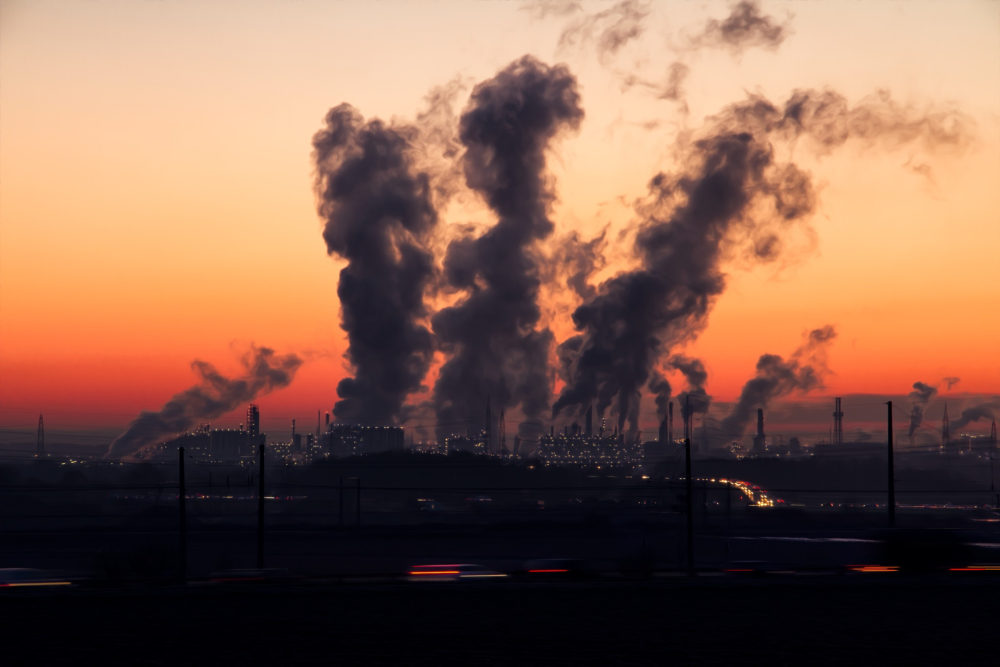
Australia’s greenhouse gas emissions are on the rise, and they’re not expected to stop anytime soon. According to the Department of Environment and Energy, the last three years have seen a steady increase in toxic emissions across all sectors. This increase includes the agriculture, waste, and transport sectors. The only sector that experienced a decrease in emissions was electricity.
Why the Electricity Sector is Ahead:
The Electricity sector has had a 3.1% reduction over the past year because of the closure of the Hazelwood power station, coupled with lower demand. This low demand may be due to more efficient appliances and greater dependence on solar rooftops.
The Specifics:
Data reveals a 10.5% increase in emissions from the production, processing, transport, storage, transmissions, and distribution of fuels such as crude oil, natural gas, and coal. This was driven by a 17.6 % increase in natural gas production.
Australia recently recorded its hottest and driest April in 21 years. The country now has emission levels that are higher than they were in 2012 and they have increased by 3.6% since the price of carbon was revoked in 2014.
Australia was on its way toward sustainable recovery under its previous government: between 2007 and 2013, carbon pollution declined by over 11%.
However, the federal budget did not include money to entice industry and landowners to change their ways. They have also come under question regarding their progress compared to the United States and Canada in tougher pollution standards for vehicles.
Current Plans:
The Australian government plans to focus almost entirely on electricity through its national energy guarantee, which means that the country will be unable to meet its commitment to reduce economy wide-emissions by 28% below 2005 levels by the year 2030.
Australia’s Fragile State:
Australia may be one of the most vulnerable countries in the world with its diverse weather events including severe heat waves, storms, heavy rainfall, drought, flooding, and bushfires.
Australia’s Biggest Carbon Emitters:
According to the Clean Energy Regulator, Australia emitted around 336 million tonnes of direct carbon dioxide. Nearly half of all of Australia’s direct emissions came from ten companies:
- AGL: 43.4 million tonnes
- Energy Australia: 21.7 million tonnes
- Stanwell Corp: 18.6 million tonnes
- Origin Energy: 17.2 million tonnes
- CS Energy: 14.1 million tonnes
- Engie: 11.4 million tonnes
- OzGen Holdings: 10.3 million tonnes
- Woodside Petroleum: 10.2 million tonnes
- Loy Yang Holdings P/L: 10.1 million tonnes
- Glencore: 9.7 million tonnes
Plastic Waste:
Australia faces an epidemic of plastic pollution. Beaches, waterways, and oceans – all scattered with plastic paraphernalia.
Concentrations of plastics as high as 9,000 pieces for every square kilometre. Tiny micro plastic sediments, the same found in bustling town centres, are found in Australia’s ocean floors.
Scientific studies point to Northern Australia, where there are an influx of “ghost nets”. Since 2004, GhostNets Australia has collected over 13,000 nets. Additionally, In 2017 Tangaroa Blue found over ten thousand plastic bottles at Chili Beach from a 7km stretch.
We hope Australia implements more programs as such to give itself another chance at reaching it’s emission goals.
Related: